How to Maintain Custom T-Shirts and Apparel: A Complete Care Guide
 Posted By Lissa Eckert —
Lissa has been helping customers create their perfect custom swag at Custom Ink since 2014 and loves to share her insights, tips, and tricks.
SHARE:


You put time and thought into designing the perfect custom t-shirts for your team, family reunion, or business. The design looks amazing, everyone loves wearing them, and you want that to continue for years, not just a few wash cycles. The good news is that with the right care, your custom apparel can stay vibrant and comfortable wash after wash.
At Custom Ink, we’ve helped millions of customers create custom shirts over the past 25 years, and along the way, we’ve learned exactly what helps printed apparel last and what causes designs to fade or crack prematurely. This guide shares everything we know about caring for screen printed and embroidered apparel so your custom gear stays looking great.
In This Article
- Washing Basics for Custom Printed Shirts
- Drying and Storage Best Practices
- Care Tips by Print Method
- Fabric-Specific Care Instructions
- Common Mistakes That Damage Custom Apparel
- Frequently Asked Questions
Key Takeaways
- Turn inside out and wash cold: These two simple steps protect your print from friction and heat damage during every wash cycle.
- Skip the high heat: Tumble dry on low or hang dry to prevent cracking, as heat is the biggest enemy of printed designs.
- Different prints need different care: Screen prints, digital prints, and embroidery each have specific care requirements for maximum longevity.
Washing Basics for Custom Printed Shirts

The washing machine is where most custom apparel wear and tear happens, but it doesn’t have to be that way. Following a few simple practices protects your designs and keeps colors vibrant through countless wash cycles. We recommend these steps for any custom printed garment, regardless of the print method used.
1. Always turn your custom shirts inside out before washing. This protects the printed surface from rubbing against other garments and the washing machine drum. The friction during a wash cycle can cause gradual wear on the print surface, leading to fading and cracking over time. Turning shirts inside out creates a protective barrier.
2. Use cold water. Heat causes ink to break down faster and can cause some fabrics to shrink. Cold water cleans effectively while being gentler on both the fabric and the print. Unless your shirts are heavily soiled, cold water with a standard detergent gets the job done without compromising your design.
3. Select the gentle or delicate cycle when possible. While custom printed shirts are durable, the reduced agitation of a gentle cycle minimizes wear on the print and fabric. This is especially important for vintage-style or garment-dyed shirts where preserving the soft, broken-in feel matters.

“Our group has attended the Bataan Death March Memorial Marathon in White Sands, New Mexico for several years. We love it. Custom Ink helped us create a great shirt for our team to use every year. Thanks!”
Featured Products from This Story

Team 365 Women’s Zone V-Neck Performance Shirt
- Moisture-wicking fabric keeps you cool
- Lightweight and breathable for active wear
- V-neck style with flattering fit

Team 365 Zone Performance Shirt
- 100% polyester for durability
- Perfect for sports teams and events
- Holds print colors wash after wash
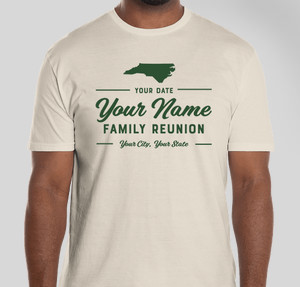
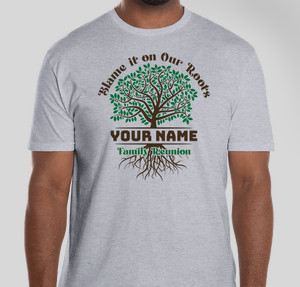
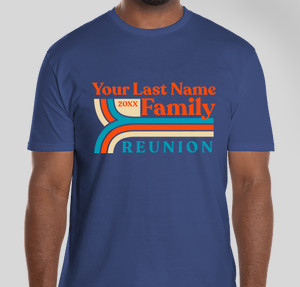
Design Templates to Get Started
 |  |  |
Drying and Storage Best Practices
How you dry your custom apparel matters just as much as how you wash it. Heat is the primary enemy of printed designs, so managing the drying process carefully makes a significant difference in how long your shirts look their best.
For best results, tumble dry on low heat or, better yet, hang your custom shirts to air dry. High heat causes the ink to soften and can lead to cracking, especially with screen printed designs. If you must use a dryer, remove shirts while slightly damp to minimize heat exposure and prevent over-drying.
When storing custom apparel, fold shirts with the design facing inward or hang them to prevent the printed area from rubbing against other surfaces. Avoid storing in direct sunlight or humid environments, as both can cause fading and deterioration over time. A cool, dry closet or drawer is ideal.
Pro tip: Never iron directly over a printed design. If you need to remove wrinkles, iron the shirt inside out or place a thin cloth between the iron and the print. Better yet, use a steamer, which is gentler on printed surfaces.

“We have been having annual family reunions in my dad’s home town since 1948. This is the second time we have ordered shirts from Custom Ink for our week-long event. The shirts certainly help cement the bonds we share. Thanks for great customer service and this boomer loves the help from the chat features on the website. So helpful!”
Featured Products from This Story

Gildan Ultra Cotton T-Shirt
- 100% cotton for comfort and durability
- Heavyweight fabric holds its shape
- Available in 50+ colors
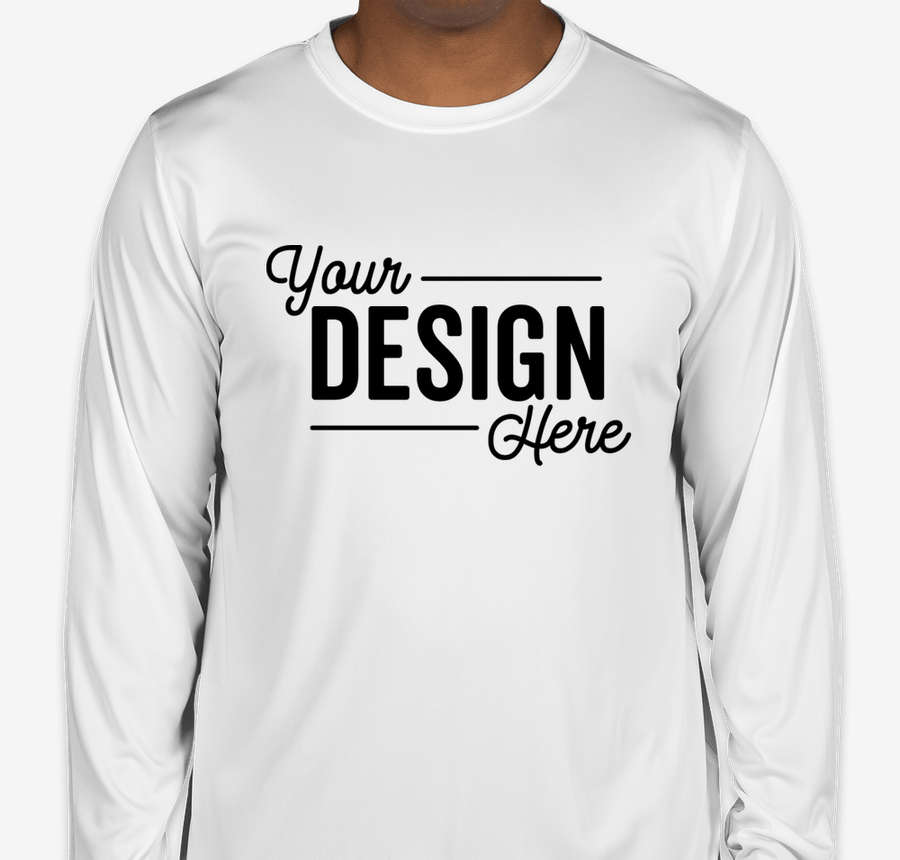
Team 365 Zone Long Sleeve Performance Shirt
- Moisture-wicking technology
- UV protection for outdoor events
- Lightweight, breathable construction

Gildan Ultra Cotton Women’s T-Shirt
- Pairs with the men’s Ultra Cotton
- Structured cotton tee
- Classic comfortable fit
Design Templates to Get Started
 |  |  |
Custom Apparel Care Tips by Print Method
Different printing methods require slightly different care approaches. Understanding how your apparel were printed helps you give them the specific attention they need. We use the best print method for each order based on the design, fabric, and quantity, and each method has its own characteristics.
Screen Printed Shirts
Screen printing uses plastisol ink that bonds permanently with fabric fibers, creating a thick, vibrant print that holds up well to repeated washing. We use high-quality plastisol inks that are designed for longevity. To keep screen printed designs looking their best:
- Wash inside out in cold water
- Tumble dry on low heat or hang to dry
- Avoid ironing directly over the printed design
- Wait 24 hours after receiving your shirts before the first wash to allow the ink to fully cure
Screen printed designs are extremely durable and can last for years with proper care. The ink sits on top of the fabric and creates a slightly raised texture that you can feel.
Digitally Printed Shirts (DTG and DTF)
Digital printing, including direct-to-garment (DTG) and direct-to-film (DTF) methods, allows for detailed, multi-color designs with a softer hand feel. The ink integrates more with the fabric rather than sitting on top. Care for digitally printed shirts is similar to screen printing:
- Wash inside out in cold water on a gentle cycle
- Avoid bleach and harsh detergents
- Dry on low heat or air dry
- Never dry clean digitally printed garments
Embroidered Apparel
Embroidered designs are created with thread stitched directly into the fabric, making them extremely durable. Embroidery withstands washing better than most print methods because the design is literally woven into the garment. Care tips include:
- Wash inside out to protect thread surfaces from friction
- Use cold or warm water with a mild detergent
- Tumble dry on low or air dry
- Iron on the reverse side if needed, never directly on embroidery

“Every summer we get together with our college friends and have a ‘friend reunion’. It has been happening every summer for the past 7 years and CustomInk has made our shirts for the past 6 reunions. We love wearing our matching shirts and look forward to them every year. CustomInk is the best!”
Fabric-Specific Care Instructions
The fabric content of your custom apparel affects how it should be cared for.
100% Cotton
Cotton is breathable, comfortable, and accepts ink beautifully. However, cotton can shrink if exposed to high heat. Wash in cold water and dry on low to maintain the original fit. Cotton gets softer with each wash, which many people love about their favorite well-worn tees.
Cotton/Polyester Blends
Blended fabrics combine the comfort of cotton with the durability and wrinkle resistance of polyester. These fabrics hold their shape well and resist shrinking. The polyester content also helps the printed design maintain its vibrant colors longer.
Tri-Blends
Tri-blend shirts, made from cotton, polyester, and rayon, offer a buttery-soft feel that’s popular with tech companies and schools. These shirts require gentle care. Wash in cold water on a delicate cycle and always air dry or tumble dry on the lowest setting to preserve the soft hand feel.
Performance and Moisture-Wicking Fabrics
Performance shirts designed for athletic activities require special attention. Avoid fabric softeners, which can clog the moisture-wicking properties of the fabric. Wash in cold water and hang to dry when possible. These fabrics dry quickly and often don’t need a dryer at all.
Garment-Dyed Fabrics
Garment-dyed shirts, like the popular Comfort Colors Heavyweight T-Shirt, have a vintage, lived-in look from the start. These shirts are designed to retain their shape wash after wash. Wash inside out in cold water with similar colors, as garment-dyed items may transfer color during the first few washes.

“We love wearing our shirts to school and showing off our excitement to Promote to 8th grade!!! Thank you, CustomInk!!!”
Common Mistakes That Damage Custom Apparel
Even with the best intentions, some care habits can shorten the life of your custom printed shirts. Here are the most common mistakes we’ve seen over our 25 years in business, along with how to avoid them.
Using Hot Water
Hot water causes ink to break down faster and can cause cotton shirts to shrink. Unless you’re dealing with heavily soiled work shirts, cold water cleans just as effectively and is much gentler on your prints and fabrics.
Overloading the Dryer
Cramming too many items into the dryer increases friction and heat exposure for each piece. Give your custom shirts room to tumble freely, and they’ll come out with less wear on the printed areas.
Using Bleach or Harsh Stain Removers
Bleach and many aggressive stain removers can damage both the fabric and the printed design. If you need to treat a stain, use a gentle, color-safe product and test it on an inconspicuous area first. For most stains, pretreating with a mild detergent works well.
Dry Cleaning Custom Printed Apparel
The chemicals used in dry cleaning can damage printed designs. Always wash custom printed shirts at home using the care instructions above. Dry cleaning is only appropriate for certain embroidered items on delicate fabrics.
Ironing Over Prints
Direct heat from an iron can melt or damage printed designs. Always iron custom shirts inside out, or use a pressing cloth between the iron and any printed area. A steamer is a safer alternative for removing wrinkles.
Don’t miss: Many of our garments include special care instructions printed inside. These product-specific guidelines provide the most accurate care recommendations for that particular item, so check the tag before washing.
With the right care, your custom shirts can remain wardrobe favorites for years. The small effort of washing inside out in cold water and avoiding high heat pays off in vibrant designs that look great through dozens of wash cycles. If you have questions about caring for a specific product, our team is always happy to help. Contact us anytime, and we’ll point you in the right direction.
Frequently Asked Questions
Q: How should I wash my custom printed t-shirts?
Turn your custom t-shirts inside out and machine wash in cold water on a gentle cycle. Use a standard detergent and avoid bleach. This protects the printed design from friction and heat damage.
Q: Can I put custom printed shirts in the dryer?
Yes, but tumble dry on low heat only. High heat can cause prints to crack or fade. For best results, hang your custom apparel to air dry or remove from the dryer while slightly damp.
Q: How long do screen printed shirts last?
Screen printed designs are extremely durable and can last for years with proper care. We use high-quality plastisol inks that bond permanently with fabric fibers. Following our care instructions helps maximize the lifespan of your printed apparel.
Q: Can I iron my custom t-shirt?
Never iron directly over a printed design, as the heat can damage the ink. If you need to remove wrinkles, iron the shirt inside out or place a thin cloth between the iron and the print. Using a steamer is the safest option.
Q: Should I wash new custom t-shirts before wearing them?
We recommend waiting 24 hours after receiving your shirts before the first wash to allow the ink to fully cure. After that, you can wash them following our care instructions.
Q: Can I dry clean custom apparel?
We don’t recommend dry cleaning printed custom apparel. The chemicals used in dry cleaning can damage printed designs. Always wash custom printed shirts at home using cold water and gentle detergent.
Q: How do I care for embroidered apparel?
Embroidered designs are very durable since the design is stitched into the fabric. Wash inside out in cold or warm water with mild detergent. Tumble dry on low or air dry, and iron on the reverse side only.
Q: What causes printed designs to crack or peel?
High heat is the primary cause of cracking in printed designs. Using hot water, high dryer settings, or ironing directly over prints causes the ink to break down. Following proper care instructions prevents premature cracking.
Q: Can I use fabric softener on custom t-shirts?
For most custom t-shirts, fabric softener is fine. However, avoid fabric softeners on performance and moisture-wicking fabrics, as they can clog the moisture-wicking properties and reduce the shirt’s effectiveness.
Q: Where can I find specific care instructions for my custom apparel?
Many of our garments include special care instructions printed inside. You can also check the product page on our website for care recommendations, or contact our team for personalized guidance on caring for your specific items.
Q: Why is it important to care for custom apparel anyways?
Proper care isn’t just about keeping shirts looking good; it’s about protecting your investment. When your custom apparel lasts longer, you get more impressions per dollar spent. Employees and customers will wear well-maintained items more frequently, generating ongoing brand visibility. For businesses using branded apparel as a marketing tool, our guide to maximizing ROI from branded apparel explores strategic distribution and usage to get the most value from your custom gear.




Lissa has been helping customers create their perfect custom swag at Custom Ink since 2014 and loves to share her insights, tips, and tricks.
Leave a Comment