Which Printing Method is Best for Your Custom Apparel? Embroidery, Screen Printing, or DTG
 Posted By Sofia Fox —
Sofia loves compiling data on custom swag our customers love and working with our internal experts to bring you the very best buying guides, advice, and industry stats.
SHARE:


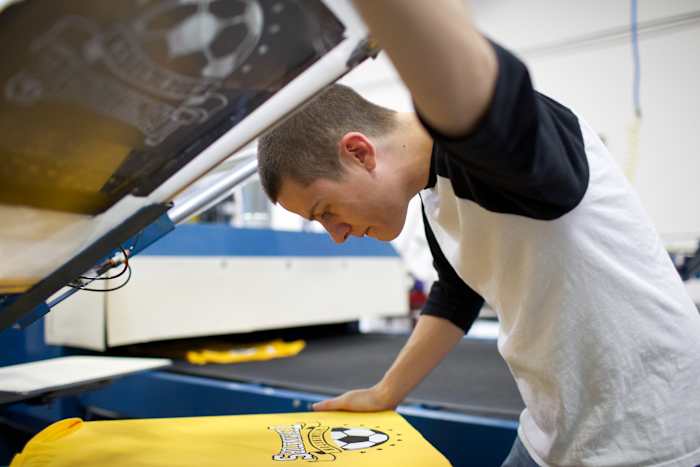
When you’re ordering custom apparel for your team, business, or event, you’ll face a choice that seems simple at first: how should we decorate these items?
Screen printing?
Embroidery?
DTG?
The answer depends on several factors, including your design, quantity, budget, and the look you’re going for. After helping millions of customers with custom apparel orders, we’ve learned that choosing the right decoration method can make the difference between gear your team loves and items that fall flat.
The good news is that you don’t need to become an expert in printing technology. Our team here at Custom Ink handles the technical details for you, recommending the best method based on your specific needs. But understanding the basics can help you communicate your vision and make confident decisions. Here’s what you should know about each option.
In This Article
- Screen Printing: The Classic Choice
- Embroidery: Professional and Lasting
- DTG (Digital Printing): Detail and Flexibility
- How to Choose the Right Method
- Frequently Asked Questions
Key Takeaways
- Screen printing delivers vibrant, durable results and becomes more cost-effective for larger orders with simple designs.
- Embroidery provides a polished, professional look that 53% of swag buyers find “very” or “extremely” interesting, according to our 2026 Swag Trends Survey.
- Our experts handle the complexity by recommending the right method for your specific design, quantity, and budget.
Screen Printing: The Classic Choice
Screen printing (sometimes called silk screening) is the method most people picture when they think of custom t-shirts. Ink is pushed through a mesh screen onto the fabric, with each color requiring a separate screen. This process creates thick, vibrant prints that feel smooth and stand up to repeated washing.
The economics of screen printing favor larger orders with fewer colors. Setup costs are spread across your total quantity, so ordering 100 shirts with a two-color design will be significantly more cost-effective per item than ordering 12 shirts with the same design. For designs with 1-4 colors, screen printing typically delivers the best value at quantities of 12 or more.
When Screen Printing Works Best
- Event tees and group orders: Company outings, charity walks, reunions, and team events where you need consistent results across a larger quantity
- Bold, simple designs: Logos, text, and graphics with distinct colors rather than gradients or photographic images
- Budget-conscious orders: When you want maximum impact at the lowest per-unit cost
- Long-lasting prints: Screen printed designs maintain their vibrancy for years with proper care

“We were the only team with custom made shirts and that gave us an added genuineness from the evaluator’s perspective. I loved the shirts from Custom Ink! I mean it honestly when I say it was super easy to design and order the shirts!”
Featured Products from This Story
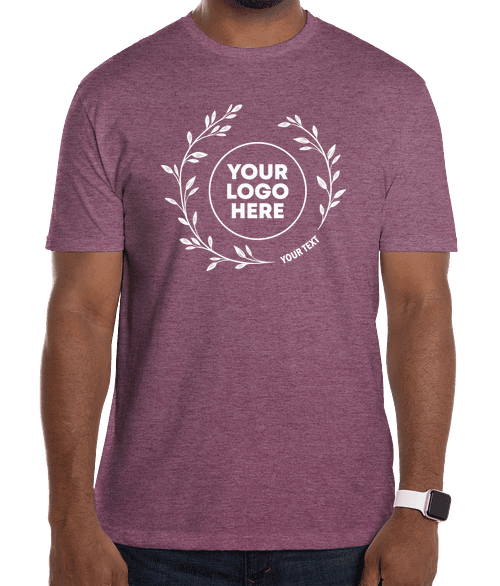
Screen Printing Design Templates
 |  |  |
Embroidery: Professional and Lasting
Embroidery uses thread stitched directly into fabric to create your design. The result is a textured, dimensional look that instantly communicates quality and permanence. There’s a reason embroidery is the go-to choice for polos, hats, and professional workwear: it looks polished and wears exceptionally well.
According to our 2026 Swag Trends Survey, over 53% of buyers are “very” or “extremely” interested in premium decoration methods like embroidery, leather patches, or laser engraving. Texture is trending because it transforms standard items into something that feels high-end. When recipients feel the raised stitching of an embroidered logo, they perceive higher value, and they’re more likely to wear that item proudly – which is why it’s a great fit in particular for uniforms.
(For detailed advice on selecting the right apparel for your team across different industries and roles, check out our complete guide to custom work shirts.)
When Embroidery Works Best
- Business and corporate apparel: Employee uniforms, embroidered polos, dress shirts, and professional workwear
- Hats and headwear: Embroidery is the gold standard for custom hats, delivering a durable 3D texture
- Outerwear and fleece: Jackets, quarter-zips, and fleece items where you want a subtle, refined look
- Smaller logos: Chest placements, left chest logos, and designs under 4 inches work beautifully with embroidery
- Long-term gear: Embroidery can outlast the garment itself, making it ideal for items you’ll use year after year
Keep in mind that embroidery is priced by stitch count rather than color count. Simple logos with clean lines translate well, while highly detailed artwork or photographic images are better suited for printing methods. Our design experts can review your artwork and let you know what will work best.

“These are just a few of the Shell Knob Honor Society students and myself, sporting our new, professional-looking polos. The kids can now ‘look the part’ of a leader in these sharp new shirts.”
Featured Products from This Story
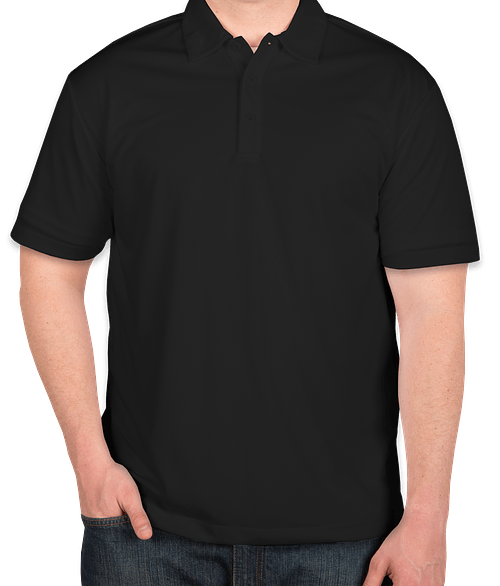
Port Authority Silk Touch Performance Polo
- Moisture-wicking performance fabric
- Professional appearance for teams
- Available for embroidery or printing
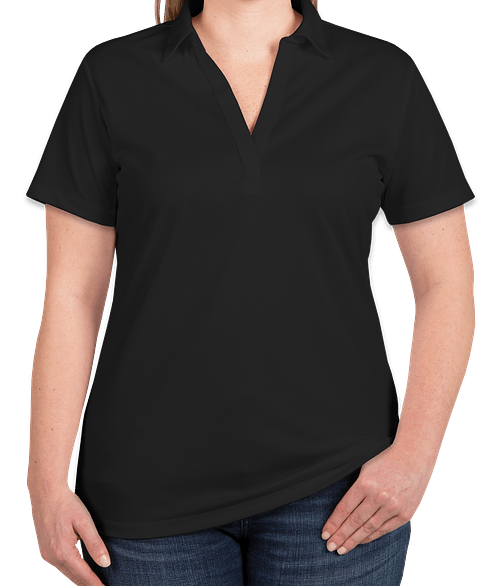
Port Authority Women’s Silk Touch Performance Polo
- Feminine fit and styling
- Coordinates with men’s styles
- Wrinkle-resistant fabric
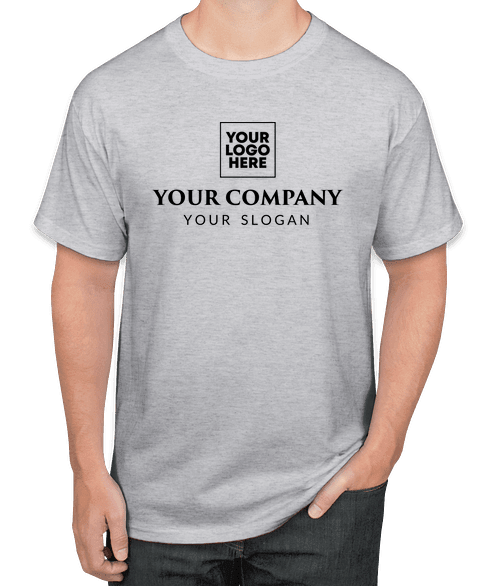
Embroidery Design Templates
 |  |  |
DTG (Digital Printing): Detail and Flexibility
Direct-to-garment (DTG) printing works like a high-resolution inkjet printer for fabric. Specialized inks are applied directly to the garment, allowing for full-color designs, photographic images, and unlimited color gradients without the setup costs associated with screen printing. If you can see it on screen, DTG can reproduce it.
This method shines when you need photographic detail, complex artwork, or designs with many colors. It’s also the most economical choice for smaller quantities because there are no screens to set up. Ordering 1-11 items? DTG is often your best bet.
When DTG Works Best
- Photographic or detailed designs: Full-color artwork, gradients, photographs, and designs with many colors
- Small orders: When you need just a few items and want to avoid setup costs
- One-off or personalized items: Individual names, unique variations, or limited editions
- Soft hand feel: DTG prints absorb into the fabric rather than sitting on top, creating a softer feel
DTG works best on 100% cotton or cotton-rich blends, especially in lighter colors. Dark garments require a white underbase layer, which can affect the print’s hand feel and may fade slightly faster with repeated washing. For dark shirts with detailed designs, we can advise on the best approach to balance quality and longevity.

“We ordered team shirts from CustomInk for a fitness competition called ‘Fit Company Challenge.’ Working with CustomInk was a great experience for us. We used the website chat option to ask the advice of a CustomInk representative and loved the final product!”
Featured Products from This Story
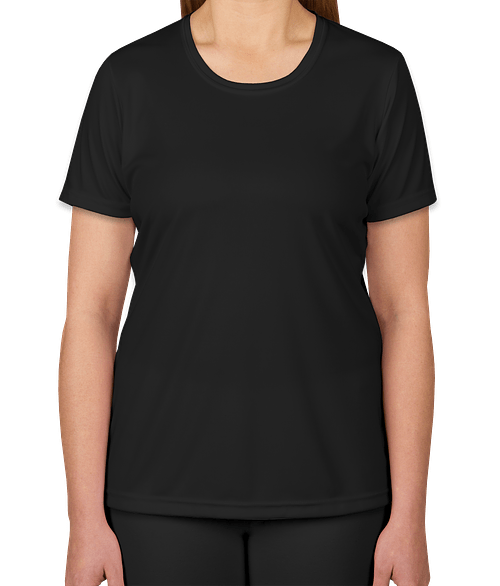
Sport-Tek Women’s Competitor Performance Shirt
- Moisture-wicking fabric
- Athletic fit
- Great for teams and events
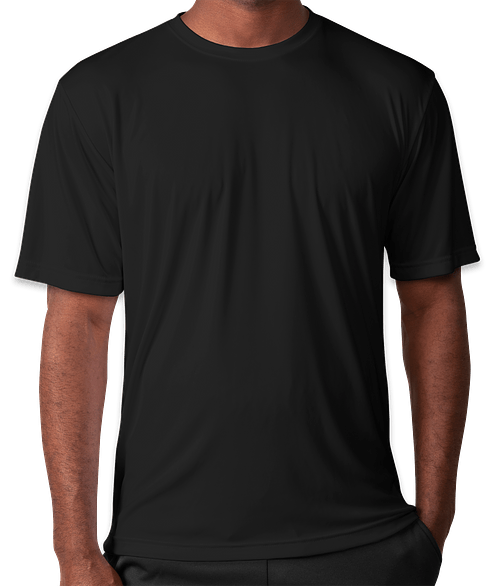
Sport-Tek Competitor Performance Shirt
- 100% polyester construction
- PosiCharge technology
- 20+ color options
How to Choose the Right Printing Method
With all these options, how do you decide which printing method is right for your apparel order? The truth is, the “right” choice depends on several factors working together. Here’s a quick framework to guide your thinking:
Consider Your Design
- Simple logo, 1-4 colors: Screen printing or embroidery
- Photographic or many colors: DTG
- Small logo, professional look: Embroidery
- Large, bold graphics: Screen printing
Consider Your Quantity
- 1-11 items: DTG often makes the most sense economically
- 12+ items: Screen printing becomes increasingly cost-effective
- Any quantity: Embroidery pricing is consistent, making it viable at any order size
Consider Your Garment
- T-shirts: All methods work well; choose based on design and quantity
- Polos and dress shirts: Embroidery delivers the most professional appearance
- Hats: Embroidery is the gold standard
- Performance wear: Screen printing typically works best on polyester fabrics

“We are a family business. We bought our CustomInk shirts for our whole family (not just the employees) to give everyone a chance to promote our business and feel like part of the team. Our experience has been wonderful.”
Featured Products from This Story
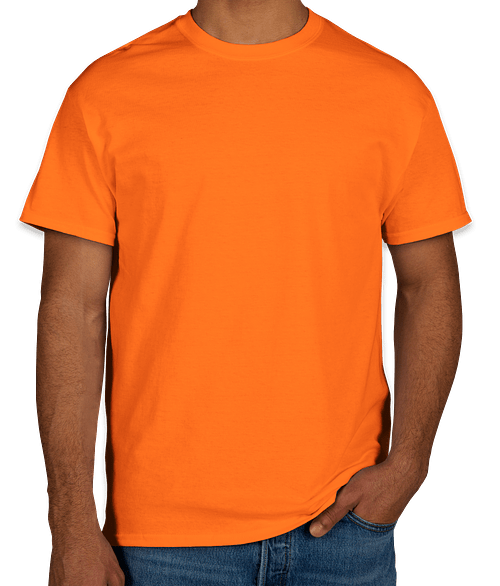
Gildan 100% Cotton T-shirt
- Lightweight, breathable cotton
- Budget-friendly pricing
- Available in 40+ colors
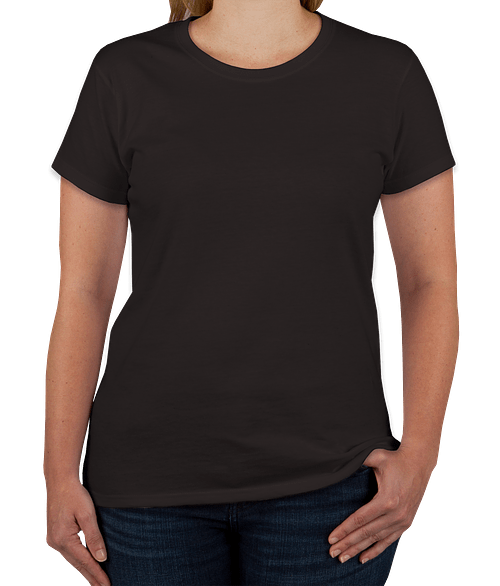
Gildan Women’s 100% Cotton T-shirt
- Feminine fit and styling
- Coordinates with unisex styles
- Nearly 50 color options
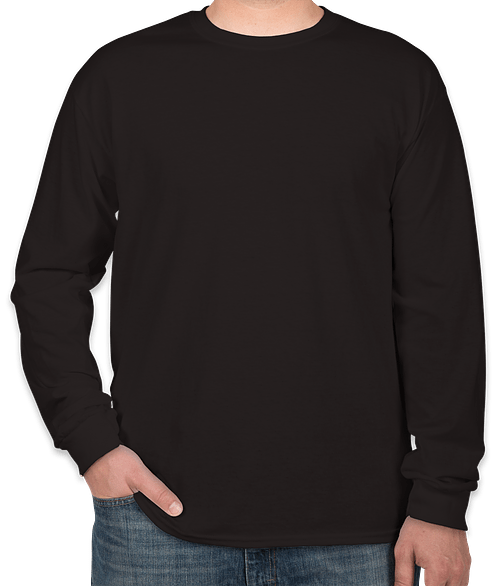
Gildan 100% Cotton Long Sleeve T-shirt
- Lightweight long sleeve option
- Ribbed cuffs for durability
- Perfect for cooler weather
Consider Your Goals
Beyond the technical considerations, think about how your custom apparel will be used. Are you creating uniforms that build brand recognition every day? Event giveaways that generate buzz? Client gifts that strengthen relationships? Different marketing goals may influence your decoration choice.
For strategies on maximizing ROI from your branded apparel investment, explore our guide on how branded apparel drives business growth
Let Us Handle the Details
Choosing the right printing method involves weighing technical factors that can feel overwhelming if you don’t work with custom apparel every day (though if you’re interested, we have a full guide on custom apparel you can view here..
That’s exactly why we’re here. When you place an order, our team reviews your design and automatically recommends the best decoration method for your specific situation. You can also chat with our Inkers anytime to get personalized advice before you finalize your order.
We’ve been doing this for over 25 years, and we’ve seen every combination of design, garment, and use case. Whether you’re ordering 12 shirts for a family reunion or 500 polos for your sales team, we’ll make sure the decoration method matches your goals. You focus on your design and your people; we’ll handle the technical details.
Frequently Asked Questions
Q: Which is more durable, screen printing or embroidery?
Both methods are highly durable when done correctly. Screen printing creates thick, vibrant designs that last for years with proper care (wash inside-out, tumble dry low). Embroidery uses thread stitched directly into the fabric, so it can actually outlast the garment itself. For maximum longevity on items that will see heavy use, embroidery is often the best choice.
Q: How many colors can I use with screen printing?
We can print designs with up to 8 colors. Each color requires a separate screen, so designs with fewer colors are more cost-effective for large orders. For designs with many colors or photographic images, we recommend DTG digital printing instead.
Q: What’s the minimum order for custom apparel?
Many products have low or no minimums. Just check the product details or filter by “no minimum.” However, screen printing becomes more cost-effective at larger quantities because the setup cost is spread across more items. For orders of 1-11 items, digital printing (DTG) may be more economical.
Q: Can I mix printing methods in one order?
Yes. Many organizations use different methods for different items: embroidered polos for customer-facing staff, screen printed t-shirts for company events, and DTG for items with detailed artwork. Our team can help you choose the best combination for your needs.
Q: How far in advance should I order custom apparel?
Orders arrive at your door within 2 weeks with free standard shipping. Rush options are available for an additional charge if you need items faster. We recommend ordering at least two weeks before your event to account for any design revisions. Learn more about delivery options.
Q: Can I get help designing my custom apparel?
Absolutely! Our design experts are available to help you create the perfect design. You can also use the Design Lab’s templates and clipart to get started. Contact us anytime.
Q: Is embroidery better than screen printing for business apparel?
For a polished, professional look on polos, dress shirts, and outerwear, embroidery is typically the preferred choice. The textured, dimensional look communicates quality and permanence. For casual team shirts or event tees, screen printing often makes more sense both aesthetically and economically.
Q: Can members of my group pay for their own custom apparel?
Yes! You can set up a group order, which enables each person to pay separately and specify their own sizing and shipping address. This is perfect for teams, clubs, and organizations where individuals want to cover their own costs.
Q: What’s the best printing method for hats?
Embroidery is the gold standard for custom hats, providing a durable 3D texture that looks professional and wears extremely well. Choose printing for designs with lots of colors or fine details that might be lost in stitches.
Q: How do I know which method is best for my specific design?
Upload your design in our Design Lab, and we’ll automatically recommend the best decoration method. You can also chat with our Inkers to get personalized recommendations based on your design, budget, quantity, and timeline.
Q: How do I care for my custom apparel to make it last longer?
Each decoration method has specific care requirements. Screen printed items last longest when washed inside-out in cold water and tumble dried on low. Embroidered items are generally very durable but benefit from similar gentle washing. DTG prints should also be washed inside-out to preserve color vibrancy. For detailed washing instructions, stain removal tips, and storage recommendations for every printing method and fabric type, see our comprehensive guide to proper care for custom apparel.”

Sofia loves compiling data on custom swag our customers love and working with our internal experts to bring you the very best buying guides, advice, and industry stats.