Creating Soft Custom T-Shirts, Sweatshirts, & Hoodies
 Posted By Lissa Eckert —
Lissa has been helping customers create their perfect custom swag at Custom Ink since 2014 and loves to share her insights, tips, and tricks.
SHARE:


Looking for soft and cozy custom t-shirts, sweatshirts, and hoodies? We don’t blame you! We love super soft apparel and have it well-stocked!
Look for tri-blend fabric, like these tri-blend t-shirts or these tri-blend sweatshirts and hoodies. (And note that ringspun cotton is even softer than regular cotton!)
Tri-blend fabric is polyester (wrinkle-resistant and strong), cotton (soft and breathable), and rayon (smooth and silky). It feels broken in right away, but holds its shape well.
Next Level, Bella + Canvas, and New Era make super soft apparel, so look for their cotton and tri-blend options (especially products labeled “ultra soft”).
Check out these super soft options.
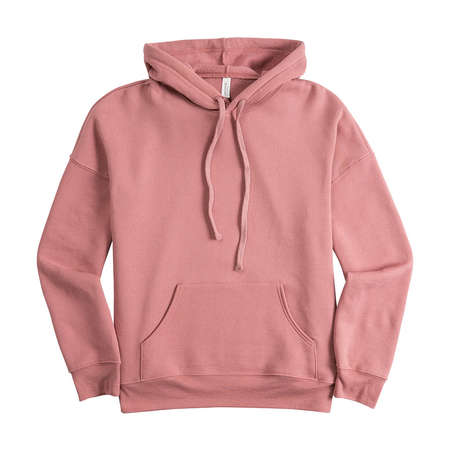
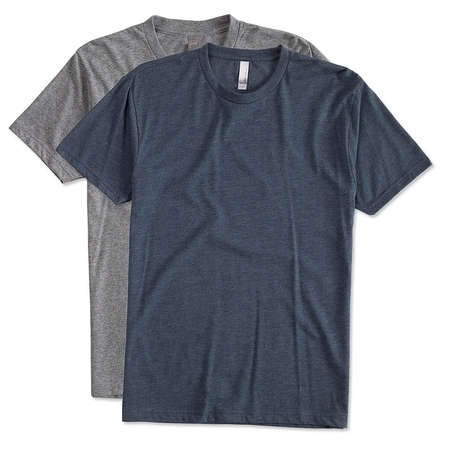
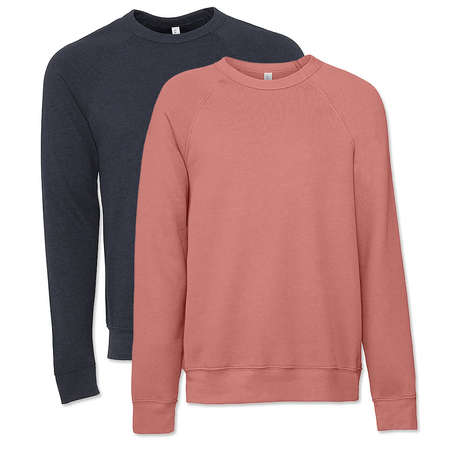
And don’t miss our guide to creating the perfect custom t-shirt!
For all the information you could want on soft t-shirts, read on below.
In This Article
- What Makes a T-Shirt Feel Soft?
- The Softest Custom T-Shirts We Carry
- Soft Custom Sweatshirts & Hoodies
- How Your Print Method Affects the Feel
- Frequently Asked Questions
Key Takeaways
- Tri-blend is the softest standard fabric for custom t-shirts — the combination of polyester, combed ring-spun cotton, and rayon produces a silky, drapey hand feel that’s broken-in from day one, with minimal shrinkage after washing.
- Over 60% of people immediately reject promo items due to poor material (PPAI, 2025) — choosing a soft fabric isn’t just about comfort, it’s about whether your shirt gets worn again after the event.
- Your print method changes how the shirt feels — screen printing with plastisol inks adds slight surface texture; water-based inks and DTG/DTF print methods absorb into the fabric and preserve more of the original softness.
What Makes a T-Shirt Feel Soft?
Softness in a t-shirt comes from three places: how the yarn is spun, which fibers are blended together, and what finishing treatments are applied after weaving. Understanding each one makes it much easier to read a product spec sheet and know what you’re actually getting.
Yarn spinning method is the biggest driver. Standard open-end cotton uses a fast, lower-cost spinning process that leaves short, uneven fibers sticking out of the yarn — which is why budget tees feel scratchy against skin. Ring-spun cotton is drawn through a ring to align fibers into a tighter, smoother strand. Combed ring-spun takes it further by combing out the shortest fibers before spinning, leaving only the longest, finest ones. Combed ring-spun shirts from brands like Bella+Canvas use 32–40 singles (the higher the number, the finer the yarn) and are noticeably softer and lighter than standard ring-spun.
Fiber blends layer different material properties. Rayon — originally developed as a silk substitute — contributes the silky, flowing drape in tri-blend shirts. Polyester adds wrinkle resistance and helps the shirt hold its shape wash after wash. The combination explains why a 50/25/25 poly/cotton/rayon tri-blend feels dramatically different from a 100% cotton shirt of the same weight. Finishing treatments like sueding — where fabric is run through fine abrasive rollers at high speed — mechanically raise the surface fibers into a velvety texture without changing the underlying yarn or weight.
The table below maps each fabric type to what it feels like, when to use it, and which tier it falls in.
| Fabric type | Feel | Best use case | Example on CustomInk | Price tier |
|---|---|---|---|---|
| Open-end cotton | Coarse, stiff; softens slowly with washing | Large-volume budget giveaways; workwear | Gildan Ultra Cotton (G2000) | Budget |
| Ring-spun cotton | Noticeably smoother and softer; tighter knit | Everyday group tees; branded promos | Gildan Softstyle (G640) | Mid-range |
| Combed ring-spun cotton | Ultra-soft, smooth, lightweight drape; retail quality | Premium branded apparel; fashion tees | Bella+Canvas Jersey T-Shirt (3001) | Premium |
| Tri-blend (50/25/25) | Buttery soft, silky, broken-in feel from day one | Lifestyle merch; concert/event tees; campus apparel | Bella+Canvas Tri-Blend (3413); Next Level Tri-Blend (6010) | Premium |
| Sueded cotton/poly | Velvety, peach-fuzz surface texture; structured softness | Premium retail merch; corporate gifting | Next Level Sueded T-Shirt (6410) | Premium |
| French terry / sponge fleece | Smooth face outside, soft looped pile inside; warm but breathable | Hoodies, sweatshirts, athleisure; year-round layering | Bella+Canvas Sponge Fleece Hoodie (3719) | Mid to premium |
| Garment-dyed cotton | Lived-in softness from day one; slight weight; vintage feel | Lifestyle brands; Greek life; vintage-aesthetic merch | Comfort Colors 1717 | Mid to premium |
Design Inspiration
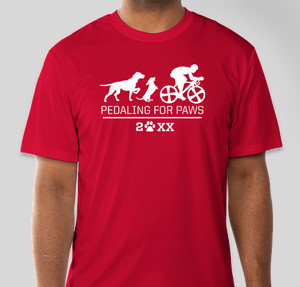
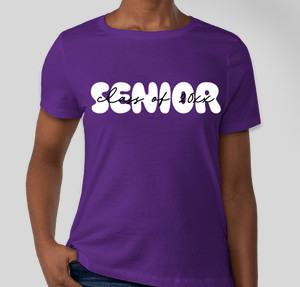
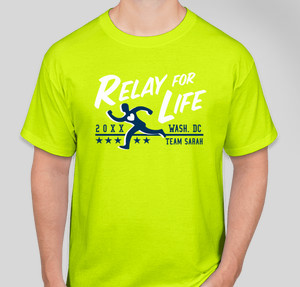
Soft fabrics pair naturally with clean, minimal designs. Here are a few templates from our Design Lab that work well across the fabric types above.
The Softest Custom T-Shirts We Carry
Across the categories in the table above, tri-blend consistently ranks as the softest standard option for custom t-shirts. The rayon content gives it a silky drape and lighter-than-it-looks quality that plain cotton — even combed ring-spun — can’t match. That said, the right choice depends on your budget, use case, and whether you want a more structured feel (sueded) or a drapey, fashion-forward one (tri-blend). Below are the options we’d point you toward across each tier, followed by a closer look at the top performers.
Tri-Blend: The Softest Option
Tri-blend shirts — typically 50% polyester, 25% combed ring-spun cotton, 25% rayon — come out of the bag feeling like they’ve already been washed a dozen times. The rayon contributes a silk-like drape; the polyester holds shape and fights wrinkles; the cotton adds breathability. Most tri-blends run 3.8–4.3 oz., making them lighter and more form-fitting than standard cotton. They’re the go-to for lifestyle brands, campus organizations, music events, and any group that wants their merch to feel retail-quality rather than promotional.
- Bella+Canvas 3413: Uses 40-singles thread count — the finest in the tri-blend category. At 3.8 oz., it’s the lightest and most drapey option we carry.
- Next Level 6010: A 4.3 oz. 32-singles tri-blend with a slightly more structured feel than the 3413. Better for groups who want soft without sacrificing a more traditional shirt silhouette.
- Allmade AL2004: Replaces rayon with Tencel™ Modal (from sustainably sourced beech trees) and substitutes Repreve recycled polyester — equivalent to 6 plastic bottles per shirt. Same buttery feel as conventional tri-blends, with third-party sustainability certification.
- District DM130: A 4.5 oz. tri-blend at a lower price point than Bella+Canvas or Next Level — a solid budget-friendly entry into the tri-blend category for larger orders.
Customer Story

“We have been using Custom Ink for the last few years for our family reunion shirts and we love them!! This picture shows all but two of the family members attending our favorite summer camp, sporting our super soft olive green T’s with the little ones in black.”
— Autumn Farrell
Featured Product from This Story

Bella+Canvas Tri-Blend T-Shirt (3413) — Softest Drape
- 50% poly / 25% Airlume combed ring-spun cotton / 25% rayon; 40 singles — finest thread count in any tri-blend we carry
- 3.8 oz., retail fit, side-seamed; 50+ heathered and solid colors
More Soft T-Shirt Options

Bella+Canvas Jersey T-Shirt (3001) — Premium Cotton
- 100% Airlume combed ring-spun cotton, 32 singles; 4.2 oz.
- The go-to for groups that want premium cotton feel with 86+ colors to choose from

Allmade Tri-Blend T-Shirt — Sustainable Pick
- 50% recycled poly (from ~6 water bottles) / 25% organic US cotton / 25% Tencel™ Modal; 4.2 oz.
- C-FREE® carbon neutral certified; all yarn spun, knit, and dyed in the USA

Next Level Sueded T-Shirt (6410) — Velvety Feel
- 60% combed ring-spun cotton / 40% polyester; mechanically sueded for a velvety, peach-skin texture
- 4.3 oz.; structured softness — holds its shape while feeling dramatically different from standard cotton
Design Inspiration
Soft Custom Sweatshirts & Hoodies
For custom hoodies and sweatshirts, the key fabric variable is the interior finish. Traditional fleece is brushed on the inside to create a soft, insulating layer — but the quality of that brushing process varies significantly between budget and premium options. Sponge fleece (like Bella+Canvas uses) is a specific construction where the cotton and polyester yarns are knit with small air pockets built into the loop structure, creating an exceptionally light and soft hand feel compared to denser standard fleece. French terry is another option: smoother and lighter than fleece, with a jersey face and a soft looped pile inside — ideal for mild weather or year-round wear.
- For the softest, lightest hoodie: Bella+Canvas Sponge Fleece Pullover Hoodie (3719) — 8 oz., 52% Airlume combed ring-spun cotton / 48% poly. The sponge fleece construction keeps it noticeably lighter than most hoodies at this weight class.
- For a classic mid-weight hoodie with wide size range: Independent Trading Midweight Pullover Hoodie (SS4500) — 8.5 oz., 80% cotton / 20% polyester with a 100% cotton face yarn and jersey-lined hood. Available up to 5XL.
- For budget sweatshirts in large quantities: Gildan Midweight 50/50 Crewneck Sweatshirt — a reliable mid-range pick when cost per piece matters more than premium feel.
ASI’s 2023 Ad Impressions Study found that outerwear generates an average of 7,856 impressions per item over its lifetime — more than any other apparel category. A hoodie someone actually reaches for on cold mornings does more brand work than a t-shirt buried in a drawer.
Customer Story
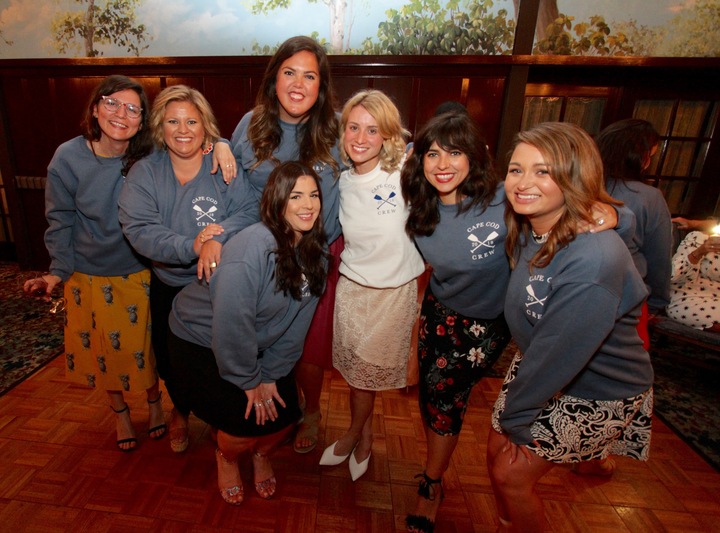
“For our Cape Cod Destination wedding, we skipped the welcome bag and gifted our 40 person wedding ‘crew’ a custom Sweatshirt! Everyone LOVED the swag and popped it on the second they received it!”
— Sarah Smith
Featured Product from This Story
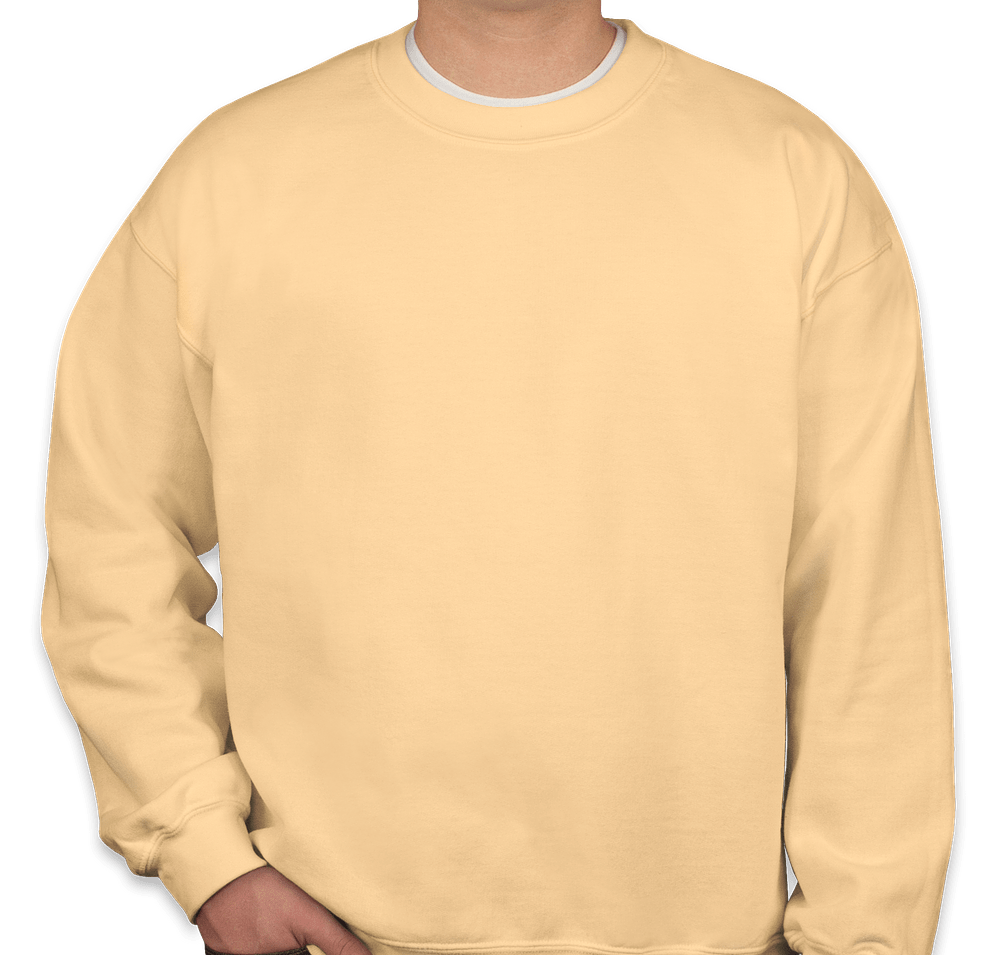
Gildan Midweight 50/50 Crewneck Sweatshirt — Budget Crew
- 50% cotton / 50% polyester fleece; reduced pilling and shrinkage vs. standard cotton
- Reliable mid-range pick for large group sweatshirt orders where cost-per-piece matters
Design Inspiration
How Your Print Method Affects the Feel
Choosing a soft fabric is only half the equation. How you print on it changes the final hand feel of the finished shirt — sometimes significantly. This is something almost no other guide covers, and it’s worth understanding before you finalize your design.
| Print method | Effect on softness | Best for | What to know |
|---|---|---|---|
| Screen printing (plastisol) | Adds a slight raised surface texture where ink is applied — more noticeable on large solid fills than fine detail or outline designs | Bold designs; large group orders; most fabric types | Ink sits on top of the fabric; you can feel the print. Smaller designs and lighter ink coverage feel softer. Water-based inks (see below) eliminate this. |
| Screen printing (water-based) | Ink absorbs into fibers rather than sitting on top — minimal added texture | Soft-hand result on lightweight tri-blend or combed ring-spun shirts | More limited color range than plastisol; slightly higher cost; works best on light-colored garments |
| DTG / DTF printing | Ink bonds directly into the fabric — the softest result after washing | Detailed or full-color designs; photos; small-batch orders | Slight texture immediately after printing that softens significantly after the first wash; pre-treatment required on dark garments |
| Embroidery | No change to shirt softness — thread sits above the fabric surface; adds texture only at embroidery location | Logos on premium tees, polos, left-chest placements | Works well on combed ring-spun, tri-blend, and sponge fleece; adds retail-quality appearance |
A practical tip from our experience: if you’re printing on a premium soft fabric like a tri-blend or sueded cotton and softness of the finished product is a priority, ask our design experts about water-based or discharge options for your specific design. For most groups, plastisol screen printing is the right call — it’s durable and cost-effective — but knowing the trade-off helps you make the right choice for your use case.
Customer Story

“We are a dental team in central NJ. We are giving out our cozy new tee’s to our patients!”
— ADB Girls
Featured Products from This Story

Next Level Tri-Blend T-Shirt (6010) — Structured Softness
- 50% poly / 25% combed ring-spun cotton / 25% rayon; 32 singles; 4.3 oz.
- Slightly more structured than the 3413 — a great choice when you want tri-blend softness with a more traditional shirt silhouette
Ready to start? Browse our full selection of soft custom t-shirts and custom hoodies, or open the Design Lab to start customizing. If you’re ordering for a group and want help choosing the right fabric for your design and budget, our design experts are available at no extra cost.
For more on fabric and materials, check out our guide to choosing the best t-shirt material or our breakdown of which printing method is right for your apparel.
Frequently Asked Questions
Q: What is the softest material for custom t-shirts?
Tri-blend (typically 50% polyester, 25% combed ring-spun cotton, 25% rayon) is widely considered the softest standard fabric for custom t-shirts. The rayon content gives it a silky, drapey hand feel that 100% cotton — even combed ring-spun — can’t match. The Bella+Canvas 3413 uses 40-singles thread count, which is the finest in the tri-blend category and produces a noticeably lighter, softer result than most 32-singles options. For a velvety alternative that’s more structured, sueded cotton (like the Next Level 6410) creates a peach-fuzz surface texture through mechanical finishing.
Q: What is the difference between ring-spun and open-end cotton for custom t-shirts?
Open-end cotton is spun quickly using a rotor process that leaves short, uneven fibers sticking out from the yarn — giving the shirt a rougher, scratchier feel that improves only slowly with washing. Ring-spun cotton draws the yarn through a ring to align fibers into a tighter, smoother strand, producing a softer, more uniform fabric that holds its shape and color better over time. Combed ring-spun takes the process further by removing short fibers before spinning — the result is the smoothest, lightest 100% cotton fabric in our catalog. Most premium custom t-shirt brands (Bella+Canvas, Next Level, Allmade) use combed ring-spun construction.
Q: What is a tri-blend t-shirt?
A tri-blend t-shirt is made from three fibers — typically polyester, combed ring-spun cotton, and rayon — in a 50/25/25 ratio. Each fiber contributes something different: polyester holds shape and resists wrinkles, cotton adds breathability and print-friendliness, and rayon delivers the silky drape that makes tri-blends feel broken-in from day one. Most tri-blends run 3.8–4.3 oz. and come in heathered or vintage-style colorways that result naturally from the way each fiber takes dye differently. They’re the most popular fabric for lifestyle merch, campus apparel, and event tees where retail quality matters.
Q: Does screen printing make soft t-shirts feel stiffer?
It can, depending on the ink type and design. Standard plastisol inks sit on top of the fabric surface and create a slight raised texture where applied — most noticeable on large solid fills. The larger and denser the printed area, the more the ink affects hand feel. Water-based inks absorb into the fibers rather than sitting on top, resulting in a softer, nearly invisible feel after printing. DTG (direct-to-garment) printing also absorbs into the fabric and gets softer with every wash. If you’re ordering a soft tri-blend or sueded cotton and want to preserve the fabric’s hand feel as much as possible, ask our design experts about water-based or digital options for your design.
Q: What is the softest hoodie fabric for custom sweatshirts?
Sponge fleece is the softest construction for custom hoodies. Unlike standard brushed fleece, sponge fleece is knit with small air pockets built into the loop structure — the Bella+Canvas 3719 uses this construction with Airlume combed ring-spun cotton and polyester, producing a noticeably lighter and softer feel than most hoodies at 8 oz. For groups that want a classic, heavyweight hoodie with a jersey-lined hood, the Independent Trading SS4500 is a strong mid-range pick at 8.5 oz. with a 100% cotton face yarn for softness against the skin. Both are available in 30+ colors and no minimums on select styles.
Q: Can I order just a few soft custom t-shirts, or is there a minimum?
Many of our soft t-shirt and hoodie styles have no minimum order requirement — check the product detail page for specifics. If you’re ordering for a group and want everyone to pay separately and choose their own size, our group order feature handles the coordination. Orders ship with our free standard shipping and typically arrive within two weeks — rush options are available if your timeline is tighter.
Q: How do I find soft t-shirts on CustomInk?
The most direct route is to filter by fabric type or brand. In our product catalog, look for shirts described as “tri-blend,” “combed ring-spun,” or “sueded” — those terms signal the premium fabric constructions covered in this guide. Browsing by brand also works: Bella+Canvas, Next Level, and Allmade specialize in soft retail-quality blanks. You can also start in our Design Lab, choose your product first, and then filter by fabric or fabric weight. If you’re not sure where to start, our design experts can recommend the right fabric for your use case and budget.

Lissa has been helping customers create their perfect custom swag at Custom Ink since 2014 and loves to share her insights, tips, and tricks.