How to Choose and Customize the Right Tote Bag
 Posted By Custom Ink Staff —
The Custom Ink Staff is a team of design enthusiasts and promo product experts dedicated to bringing your ideas to life. From screen printing secrets to the latest trends in custom gear, we draw on decades of collective experience to help you create something unforgettable.
SHARE:


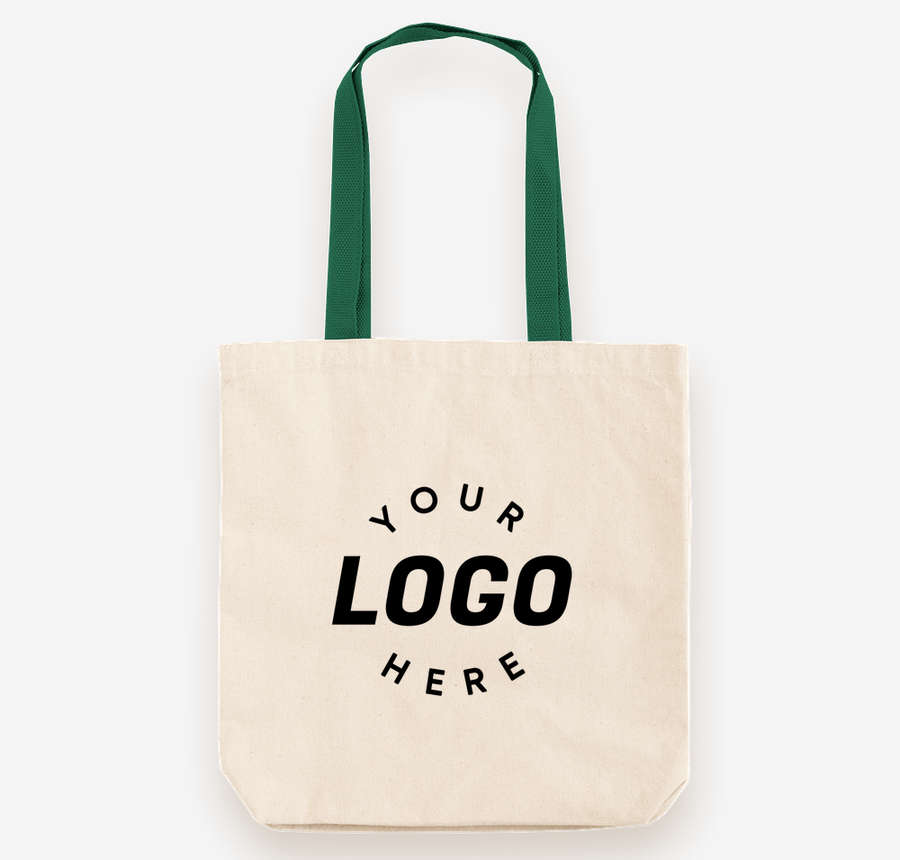
A custom tote bag is one of the most versatile things you can order. Right for a trade show giveaway, a wedding welcome kit, a new employee’s first day, a school fundraiser, or a community organization selling merch.
The challenge is that picking one well requires a few decisions most people skip. Cotton canvas, polyester canvas, and non-woven polypropylene all look similar in a product grid, but they print differently, carry differently, and last different amounts of time. Get the material wrong and a bold logo bleeds on a surface that won’t hold ink, or you end up with a bag that gets used once and discarded.
This guide covers how to choose among the three main custom tote bag materials, what logo dimensions work on each, and how structure choices like handle length and gusset depth affect both the bag’s function and your design.
In This Article
- The Three Tote Materials Compared
- How Material Affects Logo Printing
- Structure Decisions That Change How Your Tote Works
- Matching Your Tote to Your Occasion
- Frequently Asked Questions
Key Takeaways
- 57% of recipients say a clear, visible logo is what helps them remember the brand, according to PPAI’s “5-Second Impact” study. Logo placement and sizing on your tote matter as much as the design itself for brand recall.
- Cotton canvas (8–12 oz.) is the best all-around tote material for screen printing: natural fiber absorbs ink deeply for vivid, 50+ wash durability. Non-woven polypropylene costs less per unit but requires specialty low-cure inks and is not washable.
- Gusset depth and handle length are structural and design decisions combined. A 4.5″ gusset reduces your usable print width by roughly 1–3″, and handle length determines whether a bag gets carried by hand, over the shoulder, or not at all.
The Three Tote Materials Compared
Every tote in our catalog falls into one of three material categories. The right choice depends on your order volume, how long you want the bag to stay in use, and what printing method your design requires.
| Spec | Cotton Canvas (10 oz.) | 600D Polyester Canvas | Non-Woven Polypropylene (80 gsm) |
|---|---|---|---|
| Best print method | Screen printing (water-based or plastisol) | Sublimation or heat transfer; screen print with low-bleed inks | Screen print with low-cure inks; heat transfer |
| Fine detail capability | Good: 10 oz. and up handles fine lines cleanly | Excellent: smooth surface, finest detail possible | Poor: dimpled texture causes ink to skip at fine lines |
| Logo min. font size | 15pt minimum | No standard minimum; smoothest surface | 16pt minimum; avoid thin serifs |
| Max imprint area | Up to 15″W × 16″H (flat tote) | Varies by style; typically 9″–11″W | Typically 10″W × 11″H |
| Wash durability | Machine washable; screen prints last 50+ washes | Spot clean; screen prints 30–40 washes | Not washable |
| Water resistance | None; absorbs moisture | Good; PVC/PU backing repels light rain | Moderate; PP is inherently hydrophobic |
| Biodegradable | Yes; composts in 1–5 months | No; ~20–200 years | No; #5 plastic, recyclable but not biodegradable |
| Perceived value | Premium / eco-conscious | Professional / functional | Budget / disposable |
| Sweet spot qty | 100–5,000 | 100–5,000 | 500–100,000+ |
Sustainability is increasingly a deciding factor. According to PPAI’s “Product Power 2026” consumer study, 68% of consumers identify recycled or reusable materials as their top sustainability preference in branded products, and 49% say a brand’s eco commitment directly affects how trustworthy they find it. Cotton canvas is biodegradable; poly canvas and non-woven PP are not. If that matters to your audience (and for many it does), it’s worth factoring into the material choice alongside cost and print quality. We carry recycled cotton/poly blend options for buyers who want sustainability without the higher price point of 100% organic cotton.
How Material Affects Logo Printing
The same logo design can look very different on different tote materials. Cotton canvas absorbs ink into the fiber and produces deep, permanent color with a soft hand feel, but requires proper ink selection based on fabric weight. Polyester canvas is smooth and non-porous, which means ink cannot absorb into it; it must bond to the surface, requiring low-bleed plastisol inks or sublimation to prevent dye migration. Non-woven PP is textured and dimpled. Ink sits in raised areas and skips the recessed ones, making fine detail and thin lines unreliable.
Our bag printing guide covers the full technical breakdown by material type. Here is what it means specifically for tote decisions.
Logo sizing by tote type
| Tote Type | Bag Dimensions | Recommended Logo Width | Why It Matters |
|---|---|---|---|
| Standard flat cotton canvas | ~15″W × 16″H | 10″–12″W | Large front panel; center-mounted logo reads from across a room |
| Gusseted cotton canvas (4.5″ gusset) | ~14.75″W × 14.75″H expanded | 9″–10″W | Gusset folds reduce usable front width by ~1–2″; stay above fold line |
| Non-woven convention tote | ~15″W × 16″H | 8″–10″W | Dimpled surface: bold, simple logos; avoid fine lines and small text |
| Poly canvas zippered tote | ~13.5″W × 12.5″H × 6.5″D | 8″–9″W | Pocket and zipper reduce print zone; allow 1″+ clearance from zipper |
Ink and color by canvas tone
Natural (undyed) canvas has a warm cream tone that mutes printed colors slightly. Dark inks like navy, forest green, black, and burgundy read cleanly and look intentional; pale or subtle colors can appear washed out. White canvas gives the truest color reproduction, closest to what you see on screen. Colored or dark totes require a white underbase printed beneath the design colors, which adds a surcharge and a slightly heavier hand feel.
PPAI’s “5-Second Impact” study found that 44% of consumers prefer subtle branding over bold logos, a finding that favors clean, confident logo placements on natural canvas over loud, full-coverage designs.
On cotton canvas at 10 oz., water-based inks absorb directly into fibers for a soft, integrated feel. They are ideal on light-colored bags, are more eco-friendly, and produce a print that looks like part of the bag. Plastisol inks sit on top of the fiber and provide superior opacity on dark or colored bags. Bags under 6 oz. present bleed-through risk with either ink type; 8–10 oz. is the reliable threshold for quality screen printing.

“These totes are to support our up and coming national organization hoping to empower and encourage girls through life in Christ. These totes are being sold all over the states as a statement of our beliefs.”
Featured Products from This Story

Medium Midweight 100% Cotton Canvas Tote Bag: Screen Print Standard
- 100% cotton canvas, midweight construction; open-top with flat base and reinforced seams; up to 6 spot colors per side via screen printing
- Economy per-unit cost at 24+ pieces; ideal for event giveaways, fundraiser merch, and community organization programs
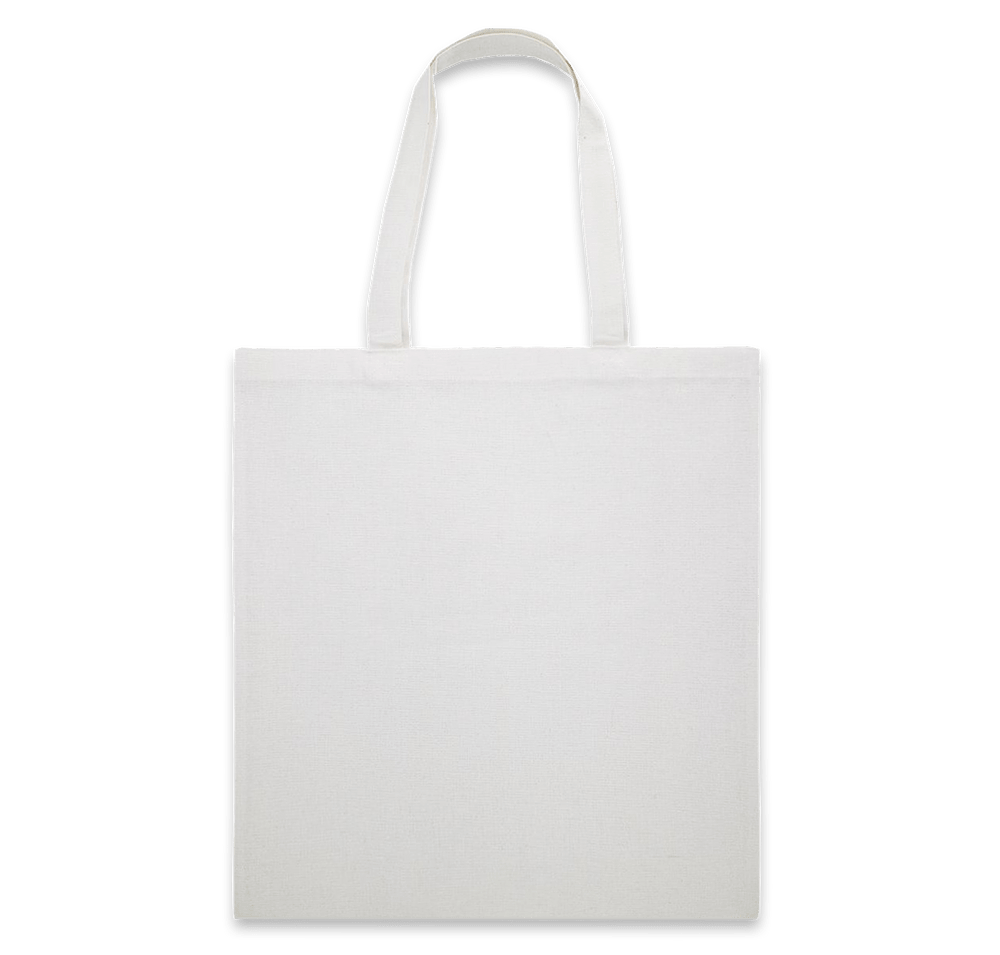
Medium Midweight Recycled Canvas Tote Bag: Eco Upgrade
- Recycled cotton/poly blend with reinforced 20″ handles; durable recycled content for brands that want the screen-printed cotton look with eco credentials
- Ideal for sustainable corporate gifting, university programs, and any audience where environmental commitment matters
Structure Decisions That Change How Your Tote Works
Three structural choices (gusset depth, handle length, and whether to print one side or both) affect the bag’s function and the viability of your design. All three are worth thinking through before you customize.
Handle length and how people carry
| Handle length | Drop length | Carry style | Best for |
|---|---|---|---|
| 14″–18″ (short) | 6″–8″ | Handheld or arm crook | Gift bags, retail packaging, light event totes |
| 20″–22″ (medium) | 9″–11″ | Shoulder carry | Trade shows, daily corporate gifting, most promotional totes |
| 24″–26″ (long) | 12″–13″ | Deep shoulder or cross-body capable | Grocery, beach, casual carry, fashion-forward bags |
Handle length determines usability more than most buyers realize. A 14″ handle forces a hand carry: fine for a gift bag, but a trade show bag that can’t go over the shoulder will get set down and left behind within minutes. Medium 20″–22″ handles are the standard for a reason: they fit over a shoulder with or without a jacket on, which is what matters at a conference. If you’re ordering for a beach event or outdoor program, long 24″–26″ handles allow hands-free carry that short handles cannot.
Flat vs. gusseted bottom
A flat tote has no bottom expansion. It is a single layer that stays slim when empty. Gusseted totes have a boxed or folded bottom that expands, giving the bag a three-dimensional structure. The decision matters for two reasons: capacity and print area.
- Flat totes are lighter, pack flat for easy distribution, and give you the full panel width for your print. They work well for event giveaways, conference materials, and any order where you’re handing the bag to someone who will fill it themselves.
- Gusseted totes stand upright when loaded and hold bulky or boxy items (groceries, books, branded merchandise kits). A 4.5″ gusset cuts roughly 1–2″ off your usable front print width. A 14.75″ wide bag becomes about a 13″ effective print zone. Keep your design centered above the gusset fold line to avoid distortion at the bottom corners.
Single-sided vs. double-sided printing
Double-sided printing adds roughly 25–40% to the print cost. For most straightforward promotional uses, a single-sided front logo is sufficient. The back of a tote bag sees limited visibility in real-world carry. Double-sided printing is worth the investment when the back panel genuinely adds information: a sponsor list, an event date, a website or QR code, a tagline, or a second audience’s branding. Wedding welcome bags and fundraising totes are strong candidates because recipients look at both sides when handling the bag. Budget trade show totes at 500+ units are rarely worth the upcharge.
Matching Your Tote to Your Occasion
The same tote bag structure that works at a trade show is wrong for a wedding welcome kit and vice versa. Here is how the material, structure, and decoration choices map to the four most common use cases.
Trade shows and conventions
The primary job of a trade show tote is to be grabbed immediately and carry everything an attendee picks up for the next several hours. Non-woven convention totes are the volume standard: economical at 500+ units, lightweight, and wide enough for a bold 8″–10″ logo that reads across a busy booth. Poly canvas zippered totes step up to that job for audiences where the bag itself signals quality.
Our promotional bags for business guide covers the quantity math for trade shows in detail, including how to calculate how many bags you actually need per daily attendance.

“We bought these for Bouchercon, a giant mystery book convention held in St. Louis this year. Turns out everyone wants one now.”
Featured Products from This Story

Port Authority Durable Side Pocket Poly Canvas Tote: Event and Convention
- 600-denier polyester canvas; easy-access side pocket; rated 4.73/5 across 627+ reviews; minimum 6 units; screen printed up to 1 color
- Durable enough for daily post-event use, extending logo impressions well beyond the convention date
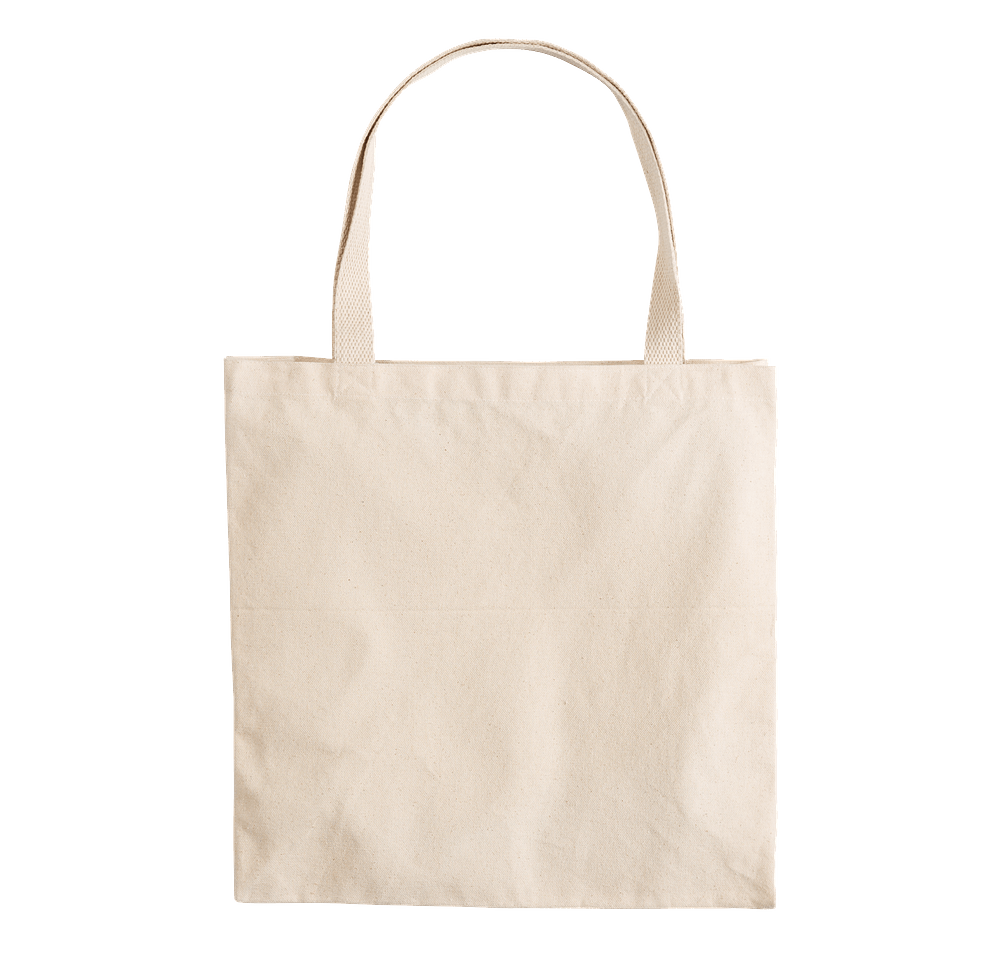
Medium Gusseted 100% Cotton Canvas Tote Bag: Capacity Upgrade
- 100% cotton canvas, midweight construction; 4.5″ square bottom gusset holds boxy items, stands upright when loaded; screen printed
- Expanded capacity for convention kits, welcome bags, or any order where the tote needs to hold books, merchandise, or packaged gifts
Corporate and employee gifting
For employee onboarding kits and corporate gifts, the tote is often the container. It holds everything else. That shifts the material choice toward durability and perceived quality rather than volume pricing.
Our 2026 Employee Onboarding Experience Audit found that only 26% of HR professionals are extremely confident their onboarding kits make new hires feel genuinely welcomed. A quality branded tote, pre-loaded with day-one essentials, directly addresses that gap. a quality branded tote, pre-loaded with day-one essentials, directly addresses. Cotton canvas at 10 oz. or a poly canvas day tote with a zippered top are the right calls here: durable, structured, and professional enough to become the bag a new hire actually uses.
Weddings, events, and community organizations
For personal events and community groups, the tote is both a functional item and a memento. Cotton canvas prints the cleanest at small quantities, works with no-minimum options when you only need a few dozen, and feels like a keepsake rather than a giveaway. Flat totes in natural canvas work well for wedding welcome bags (short-drop handles for hand-off) or community program totes (medium-drop for shoulder carry). Bold two-color designs on natural canvas (a date, a name, a logo) are the most durable approach: water-based inks on unbleached cotton soak in permanently and get better-looking with washing rather than worse.
Frequently Asked Questions
Q: What is the best material for a promotional tote bag?
Cotton canvas at 10 oz. is the best all-around choice for screen-printed promotional totes. It absorbs ink deeply for vivid, wash-resistant color, holds fine detail cleanly, is biodegradable, and has a perceived quality that non-woven bags can’t match. Non-woven polypropylene is the right choice when volume is the primary driver (500+ units, single-use trade show distribution) and budget per unit matters more than longevity. Poly canvas (600D) is the best choice when water resistance, a structured profile, or embroidery decoration is a priority.
Q: What size logo should I put on a tote bag?
On a standard flat cotton canvas tote (about 15″W × 16″H), a logo 10″–12″ wide centered on the front panel is the industry standard. On non-woven convention totes with a textured surface, keep to 8″–10″ wide and avoid thin lines under 2pt or fonts under 16pt. The dimpled surface won’t hold fine detail. Gusseted totes lose about 1–2″ of effective print width per side gusset; account for this before finalizing your artwork. Our Design Lab previews your design at actual scale on each bag, which is the fastest way to confirm sizing before you order.
Q: Cotton vs. polyester tote bags: which is better for my order?
They’re optimized for different things. Cotton canvas is better for screen-printed logos where you want vibrant color, a soft natural feel, eco credentials, and machine washability. Polyester canvas (600D) is better when you need water resistance, structure that holds its shape, embroidery decoration, or a bag that handles daily outdoor use. For most promotional tote orders (events, trade shows,, community programs, onboarding kits), cotton canvas is the right starting point. Polyester becomes the call when the bag’s durability or functional properties take priority over print quality and eco appeal.
Q: How do I print a logo on a tote bag?
For cotton canvas totes, screen printing with water-based or plastisol inks is the standard method: durable at 50+ washes, bold and opaque on any bag color. For full-color photographic designs on cotton, DTG printing works for small runs at no minimums. For poly canvas bags, sublimation or heat transfer produce the best results. For non-woven PP bags, screen printing requires specialty low-cure inks that cure below the PP melting point of ~275°F. We handle all of this automatically. Select your bag in our catalog, and the decoration method listed on the product page is what we use with all material-appropriate inks. Our logo bag printing guide goes deeper on each method and bag material combination.
Q: What is the minimum order for custom tote bags?
Minimums vary by style. Many cotton canvas totes have a minimum of 6–12 units. Non-woven convention totes typically require 100 units (screen printing economics demand a base volume). Select styles have no minimum at all. You can order one bag to proof a design or fill a specific need. Use our delivery options page to see in-hands dates before you commit, and check the product page for each style’s minimum order requirement.

The Custom Ink Staff is a team of design enthusiasts and promo product experts dedicated to bringing your ideas to life. From screen printing secrets to the latest trends in custom gear, we draw on decades of collective experience to help you create something unforgettable.