Your Comprehensive Trade Show Marketing Strategy Guide for 2026
 Posted By Custom Ink Staff —
The Custom Ink Staff is a team of design enthusiasts and promo product experts dedicated to bringing your ideas to life. From screen printing secrets to the latest trends in custom gear, we draw on decades of collective experience to help you create something unforgettable.
SHARE:


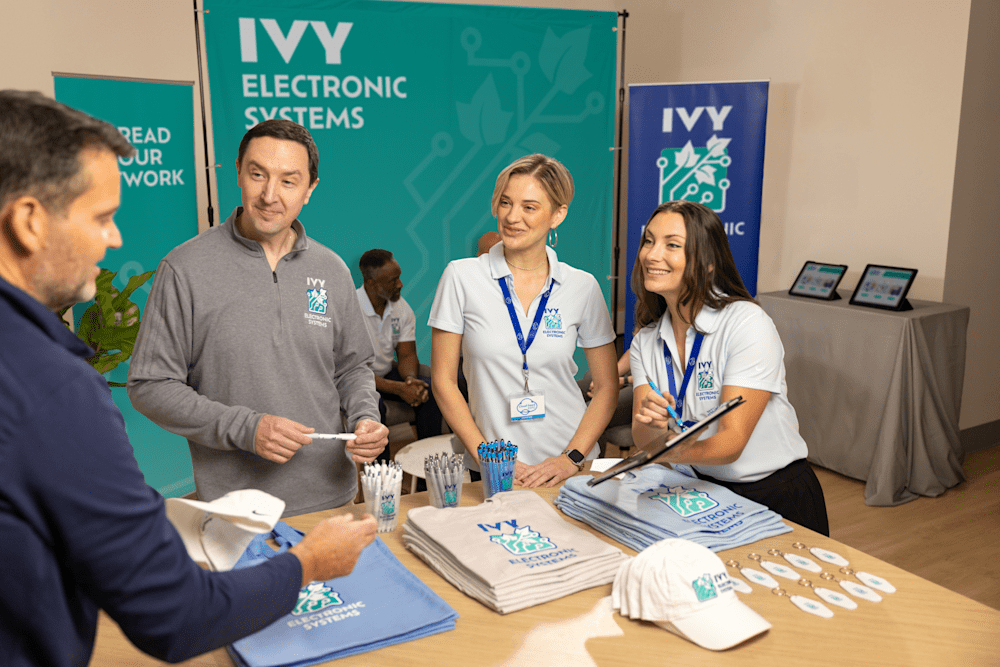
As a marketing director or event coordinator, you’re often asked to justify every dollar of a trade show budget in a world that prioritizes digital attribution. Fortunately for you, the data supports the investment.
Trade shows remain one of the highest-impact marketing channels available to B2B companies, because nothing replaces the power of face-to-face connections and live demos. In fact, giveaways at these events account for 35% of the nearly $27 billion spent on promotional products annually. That speaks to how seriously businesses take this channel.
At Custom Ink, we have helped thousands of companies prepare for trade shows and conferences. We’ve seen what separates the booths that pay for themselves from the ones that struggle to find a footprint.
This guide offers a tested framework for trade show success, delivering the measurable returns leadership expects. Whether you’re launching your first conference strategy or refining a veteran approach, these practical steps ensure your next trade show translates into high-yield results.
In This Article
- Why Trade Show Marketing Still Matters in 2026
- The 6-Month Trade Show Planning Timeline
- Budget Allocation Framework for Trade Shows
- Your Promotional Products Strategy
- Measuring Trade Show ROI and Success Metrics
- Frequently Asked Questions
Key Takeaways
- Start planning 6 months out to secure prime booth placement, finalize your promotional product orders, and train your team for maximum impact.
- Allocate 25-30% of your trade show budget to promotional products because branded giveaways drive booth traffic and create lasting brand impressions that extend well beyond the event.
- Measure success across multiple metrics including cost per lead, sales conversion rate, and brand recall to build a complete picture of your trade show ROI.
Why Trade Show Marketing Still Matters in 2026
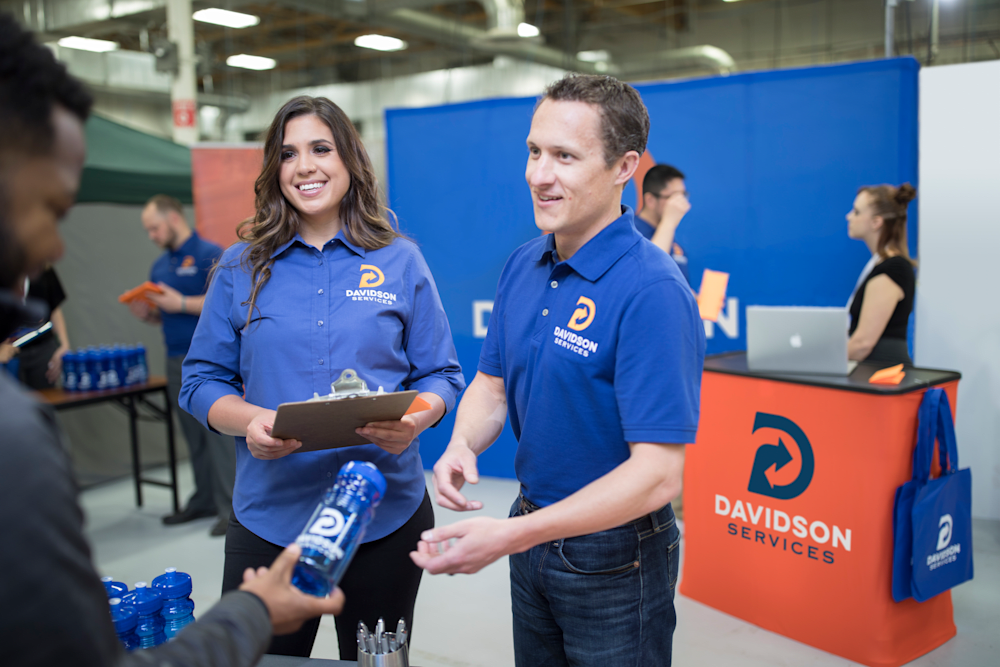
In an era of digital fatigue, trade shows offer something screens cannot: immediate trust. The B2B trade show market recently surged beyond pre-pandemic levels and is projected to hit $17.3 billion by 2028. That’s because marketing directors have rediscovered that conversations simply work better in person.
- Lower costs: Meeting a prospect at a booth averages $142, nearly half the cost of a traditional $250 off-site sales visit.
- Higher efficiency: Converting a trade show lead costs 38% less than relying on cold sales calls alone.
When building a business case for leadership, these numbers prove that trade shows are a faster and cheaper way to win new customers.
The Power of Face-to-Face Marketing
At trade shows, attendees can touch your products, ask questions in real time, and build the kind of rapport that turns prospects into customers. Research consistently shows that 71% of exhibitors are satisfied with trade shows as marketing channels, and 67% are satisfied with them as sales channels.
- Qualified leads: Trade show attendees have self-selected by showing up. They are interested in your industry and often have buying authority or influence.
- Competitive intelligence: 58% of exhibitors report that their team gained additional product knowledge at trade shows, and 54% said their team gained industry knowledge from seminars and workshops.
- Relationship building: Half of trade show attendees say these events promote positive work relationships, both with customers and within their own teams.
The 6-Month Trade Show Planning Timeline
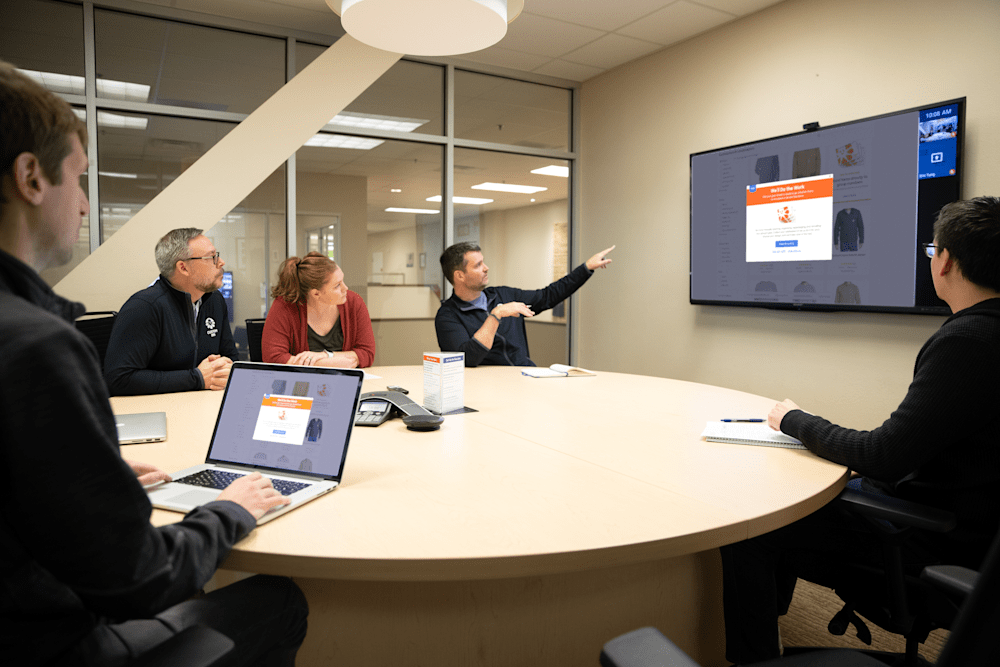
Successful trade show marketing requires advance planning. Whether you are planning a trade show campaign for a single major event or developing a year-round conference marketing strategy across multiple shows, rushing the process leads to missed opportunities, premium pricing for last-minute orders, and a stressed team that cannot perform at its best. We recommend starting your planning process at least six months before the event date.
Months 6-5: Strategic Foundation
This phase focuses on the big decisions that shape everything else. Start by selecting which trade shows align with your target audience and business objectives. Research attendee demographics, past exhibitor lists, and historical attendance figures. A show with 5,000 highly qualified attendees in your specific niche may deliver better results than a massive expo with 50,000 general attendees.
- Book your booth space: Prime locations go fast. Corner booths, spots near entrances, and positions along main traffic paths command premium prices but often justify the investment.
- Define your goals: Are you launching a new product? Generating leads? Building brand awareness? Your goals should drive every subsequent decision.
- Establish your budget: We will cover budget allocation in detail below, but you need a working number to guide planning.
- Assign your team: Identify who will attend and what roles they will play. This helps with training timelines and travel planning.
Months 4-3: Design and Ordering
With your strategic foundation in place, shift focus to execution. This is when you finalize booth design, order promotional products, coordinate staff apparel, and develop your messaging. We have seen too many companies wait until the last minute to order their trade show essentials, from staff apparel to signage, only to face rush fees, limited product availability, or worse, showing up without the materials they need.
- Finalize booth design: Ensure your booth communicates your value proposition within seconds. Attendees make quick decisions about which booths to visit.
- Order promotional products: High-utility giveaways like chargers, tote bags, and drinkware, draw crowds. Our standard delivery timeline gets orders to your door within two weeks, but ordering early gives you flexibility for revisions and ensures product availability.
- Plan your pre-show marketing: Email campaigns, social media announcements, and direct outreach to key prospects can drive traffic to your booth.
- Develop talking points: Create consistent messaging for your team so everyone can articulate your value proposition clearly.
Customer Story: Last-Minute Save in Las Vegas
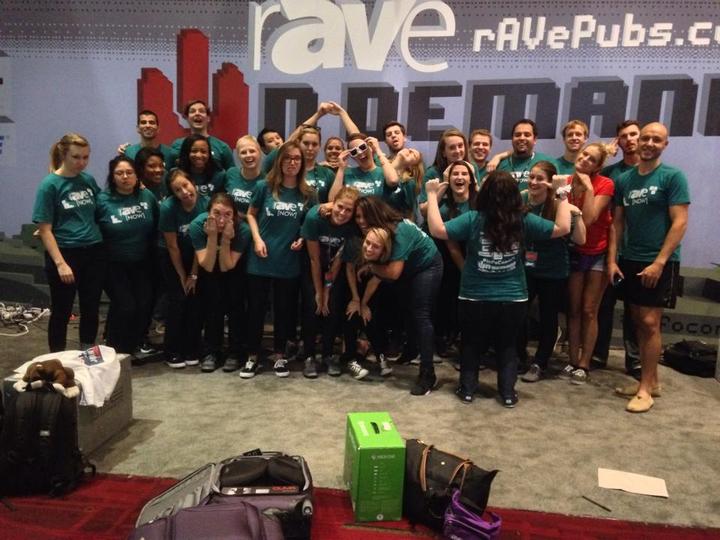
“Our staff was at a big trade show in Las Vegas in June, covering it as a publication. Our other shirt printer delivered shirts on Saturday that we were planning to use, but the printing looked awful! Our show was starting on Wednesday and I was desperate. Custom Ink, however, got our special American Apparel shirts, printed them and had them couriered to the Las Vegas Convention Center by Tuesday afternoon. The shirts looked great. It was a miracle.”
Featured Products from This Story

Custom T-Shirts
- Wide range of styles and colors
- Rush delivery available
- Perfect for staff identification
Months 2-1: Final Preparations
The final stretch before your event should focus on preparation and practice. Your promotional products should have arrived by now, your booth materials should be ready to ship, and your team should be deep into training.
- Conduct team training: Run through common scenarios, practice your pitch, and ensure everyone understands their role. 68% of exhibitors say trade shows help their staff gain sales skills.
- Confirm logistics: Double-check booth shipping, hotel reservations, and travel arrangements. Small details can become big problems if overlooked.
- Verify inventory: Count your promotional products and materials. Running out on day two of a three-day show hurts.
- Set up lead capture: Whether you use badge scanners, mobile apps, or paper forms, test your lead capture system before you arrive.
Budget Allocation Framework for Trade Shows
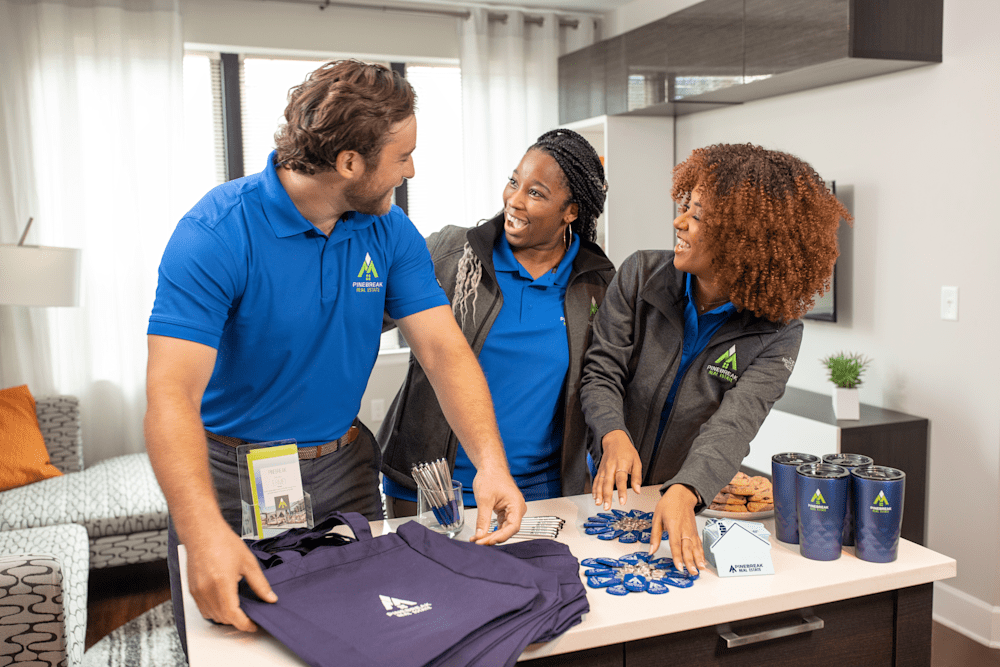
One of the most common questions we hear from marketing directors is how to allocate their trade show budget effectively. When planning a trade show campaign, getting the budget mix right can mean the difference between strong ROI and disappointing results. While every situation differs, we have developed a framework based on years of experience helping companies prepare for events.
Recommended Trade Show Budget Breakdown
Consider dividing your total trade show investment across these categories:
- Booth space and setup (30-35%): This includes your registration fee, booth construction or rental, signage, and electrical/internet connections.
- Promotional products and giveaways (25-30%): Staff apparel, booth giveaways, and premium items for qualified leads. This category has one of the highest ROIs when done well. Use this guide to calculate how much you need.
- Travel and accommodations (20-25%): Flights, hotels, meals, and ground transportation for your team.
- Pre-show and post-show marketing (10-15%): Email campaigns, social media promotion, direct mail, and follow-up activities.
- Contingency (5-10%): Unexpected costs always arise. Build in a buffer.
Making the Business Case for Promotional Products at Trade Shows
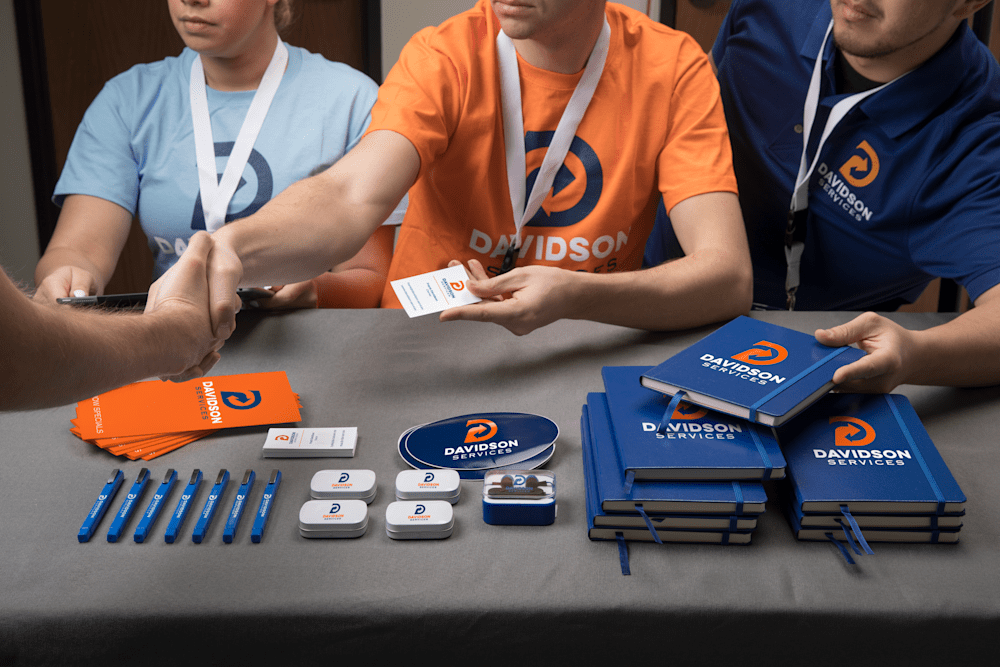
Quality promotional products, like pens and magnets, aren’t just “nice to haves.” They are high-performance marketing tools with a longer shelf life than other advertising channels.
- Magnetize your booth: Research shows 52% of trade show attendees are more likely to visit an exhibit that offers giveaways. Quality swag is your most effective traffic driver.
- Unrivaled brand recall: While digital impressions last seconds, 90% of recipients can recall the brand on a promotional item—and 89% still remember it two years later, according to PPAI research.
- Superior ROI: A single item averages 344 impressions per month, with 81% of people keeping products for over a year. When you calculate cost-per-impression over that lifetime, physical gear often outperforms paid search and social ads.
In short: Giveaways and promotional swag build long-term memory at a fraction of the cost of digital advertising.
Featured Trade Show Giveaways


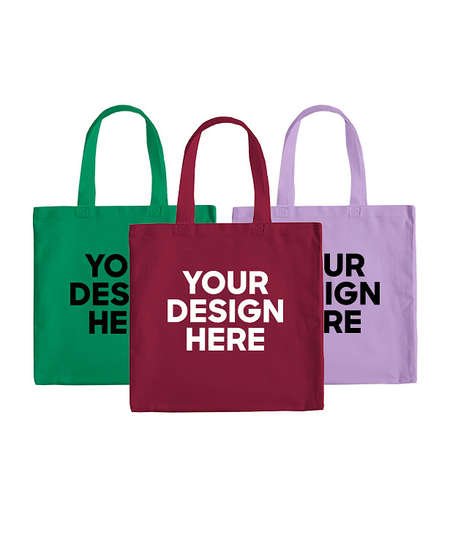
Medium Midweight 100% Cotton Canvas Tote Bag
- Eco-friendly & reusable
- Display your logo on the trade floor
- Practical for attendees
Your Promotional Products Strategy

Promotional products serve multiple purposes at trade shows: attracting booth visitors, creating conversations, rewarding engagement, and extending your brand presence long after the event ends. A thoughtful approach to product selection can dramatically improve your results.
Giveaway Tiers: Attract, Engage, and Reward
Smart exhibitors use a tiered approach to promotional products. Not every booth visitor deserves the same level of investment, and tiered giveaways help you allocate resources effectively.
Tier 1: Traffic Drivers are lower-cost items that attract foot traffic. Custom tote bags, pens, and drinkware fall into this category. The goal is visibility and volume. These items should feature your logo prominently and be useful enough that recipients keep them. The promotional products industry has found that 73% of people who use a promotional product from a trade show use it at least once a week, with 45% using it daily.
Tier 2: Engagement Rewards are mid-range items given to prospects who engage meaningfully with your booth. They might watch a demo, answer qualifying questions, or schedule a follow-up meeting. These items should be more substantial than Tier 1, reinforcing that their time and attention are valued.
Tier 3: VIP Gifts are premium items reserved for hot prospects, key accounts, or strategic partners. These might be custom jackets, high-quality tech accessories, or curated gift sets. The quality signals that you value the relationship and are serious about doing business together.
Customer Story: Trade Show Swag That Gets Noticed

“We took this photo for International Women’s Day in our office. We hand out these shirts at almost every trade show we attend and we pass them around the company and our networks as well. We LOVE CustomInk because it’s simple to order and they ship FOR FREE! Their customer service is amazing.”
Featured Products from This Story

Bella + Canvas Tri-Blend T-Shirt
- Ultra-soft tri-blend fabric
- Retail-quality fit and feel
- Wide color selection
Popular Trade Show Giveaway Product Categories
Based on industry data and our experience, these product categories consistently perform well at trade shows:
- Tote bags: Attendees need something to carry all the materials they collect. A quality branded tote gets used throughout the event and often for months afterward.
- Drinkware: Water bottles, tumblers, and stadium cups are always appreciated. The custom cups one of our customers used at an industry symposium became a talking point across the event.
- T-shirts: A well-designed t-shirt becomes part of someone’s wardrobe, generating impressions for years.
- Tech accessories: Power banks, phone chargers, and USB drives offer genuine utility and tend to be kept longer than novelty items.
For even more advice, check out out guide on the 10 best trade show giveaways.
Staff Apparel: Your Walking Brand Ambassadors
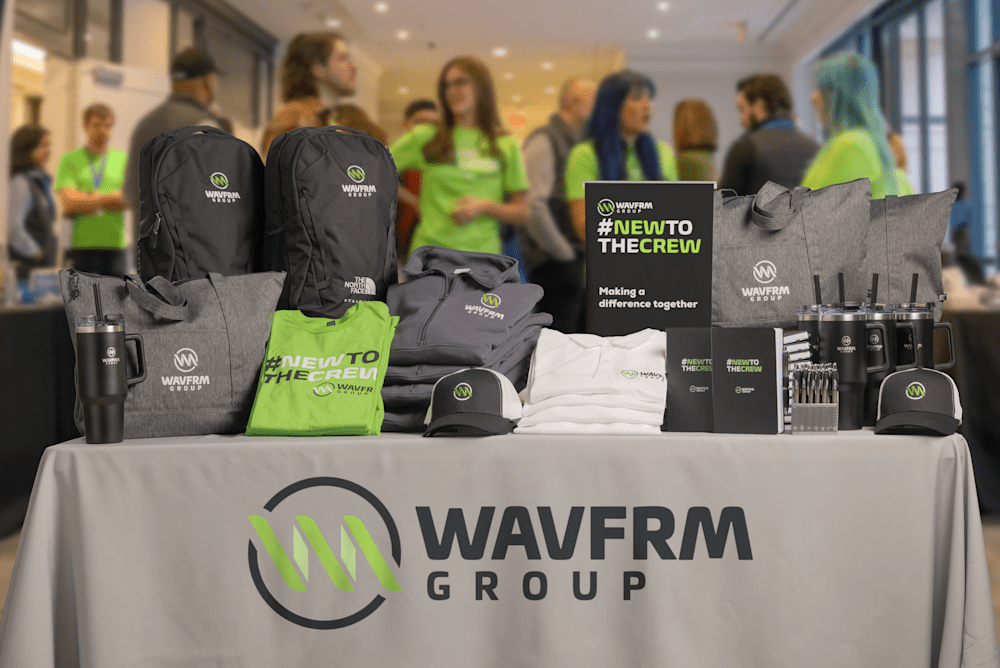
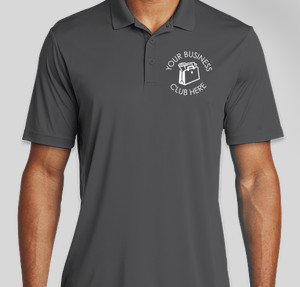
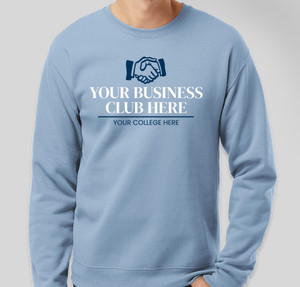
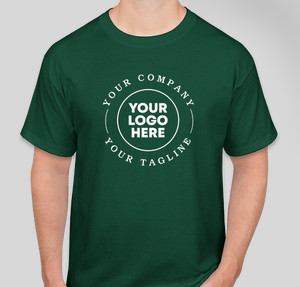
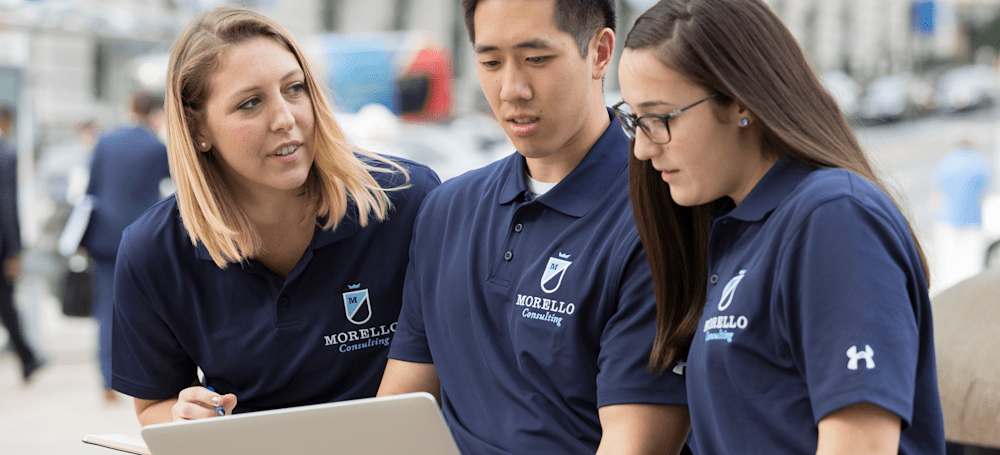
Your team members become walking billboards when they wear branded apparel. More importantly, matching shirts help attendees identify who works your booth, creating a professional impression and making it easy for prospects to approach the right people. We recommend coordinated custom polos or custom t-shirts for all staff members.
- Best for staff identification: Polos project professionalism while remaining comfortable for long days on the show floor.
- Pro tip: Order a few extra shirts in common sizes. Last-minute team additions happen, and backup shirts for spills or accidents are worth their weight in gold.
- Budget tip: Our bulk discounts mean the more you order, the lower your per-item cost. Check the product details for product-specific pricing tiers.
Design Templates for Trade Show Staff
 |  |  |
Measuring Trade Show ROI and Success Metrics
For marketing directors justifying trade show investments, measurement is essential. A strong conference marketing strategy requires clear metrics that demonstrate value to leadership. The good news is that trade shows offer clearer attribution than many marketing channels. The challenge lies in tracking the right metrics and giving them appropriate time to develop.
Essential Metrics for Trade Show Success
Cost Per Lead (CPL) is calculated by dividing your total cost of participation (booth, promotional materials, travel, etc.) by the number of leads generated. If an event costs $10,000 and generates 20 qualified leads, your cost per lead is $500. This metric allows you to compare trade shows against each other and against other marketing channels.
Sales Conversion Rate measures how effectively trade show leads become paying customers. Take the number of closed deals and divide by the total leads collected. This is the best measure of audience-event fit. If your conversion rate is low compared to other lead sources, the show may not be reaching your ideal customers.
ROI Calculation provides the ultimate measure by comparing revenue generated against total event costs: (Revenue minus Event Cost) divided by Event Cost. Include both immediate sales and pipeline value to capture the full financial impact. A 3:1 ratio, meaning $3 in revenue for every $1 invested, is generally considered strong performance.
Brand Awareness Metrics
Not all trade show value shows up in immediate sales. Brand awareness and recall matter, especially for companies building market presence. Consider running a simple survey determining brand recognition and perception before and after the event. Send a follow-up email with a short survey, or place a tablet at your booth exit to capture quick feedback.
The promotional products research supports this approach: 76% of trade show participants could remember the business that gave them a promotional product for 12 months afterward. Compare that to 53.5% who could recall an advertiser from a magazine or newspaper just one week later. Your branded giveaways continue working for your brand long after the show floor closes.
Setting Appropriate Measurement Windows
B2B sales cycles often extend far beyond the trade show itself. Set measurement windows that match your typical sales cycle:
- 30-day conversion: Appropriate for transactional products with short sales cycles.
- 6-12 months: Standard for most B2B products and services.
- 18-24 months: Necessary for enterprise sales or complex solutions.
Set multiple checkpoints to track quick wins and longer opportunities. Document lessons learned while they are fresh, including which booth strategies, messaging, and promotional products drove the best engagement. Successful exhibitors maintain a trade show playbook that evolves with each event.
How to Get Started With Your Branded Marketing

Ready to build your trade show marketing strategy? Here is how to move from planning to execution:
- Select your events: Research shows that align with your target audience. Consider attendee demographics, competitor presence, and historical results if you have them.
- Plan your promotional products: Upload your logo to our Design Lab and explore options for staff apparel, giveaways, and VIP gifts. Our team can help you select products that fit your budget and goals.
- Set your success metrics: Define what success looks like before the event so you can measure effectively afterward.
- Order early: Give yourself time for revisions and avoid rush fees. Our standard delivery gets orders to your door within two weeks, but earlier is always better.
Need help getting started? Our team is available seven days a week via phone, email, and chat to help you choose the right products, optimize your designs, and ensure your order arrives on time.
Frequently Asked Questions
Q: What is trade show marketing?
Trade show marketing is a strategy where businesses exhibit at industry events to connect directly with potential customers, partners, and industry peers. It combines elements of brand awareness, lead generation, product demonstration, and relationship building in a face-to-face environment. Unlike digital marketing, trade show marketing creates tangible experiences through booth displays, live demonstrations, promotional product giveaways, and personal conversations. The approach works particularly well for B2B companies because attendees have self-selected by attending, meaning they already have interest in the industry and often have purchasing authority.
Q: What are the tools helpful for trade show marketing?
Effective trade show marketing requires several categories of tools working together. Promotional products like branded apparel, tote bags, and giveaway items attract booth visitors and extend brand impressions long after the event. Lead capture tools such as badge scanners, mobile apps, or digital forms help you collect and organize prospect information efficiently. Display materials including banners, signage, and booth graphics communicate your value proposition visually. Design tools like our Design Lab let you create professional branded materials without design experience. CRM systems help you track and nurture leads post-event. Email marketing platforms support pre-show outreach and post-show follow-up campaigns. The most successful exhibitors integrate these tools into a cohesive system rather than treating them as separate elements.
Q: How far in advance should I order trade show promotional products?
We recommend ordering your trade show promotional products at least 4-6 weeks before your event. Our standard delivery gets orders to your door within two weeks, but ordering early gives you time for design revisions, product samples, and backup planning. Rush delivery options are available for tighter timelines. Learn about our delivery options.
Q: What is the best promotional product for trade show giveaways?
The most effective trade show promotional products are items attendees will actually use. Tote bags perform exceptionally well because attendees need something to carry materials during the event, then continue using the bag afterward. Custom t-shirts, drinkware, and tech accessories also rank highly for keeping brands visible long after the show ends.
Q: Can I order just a few items for trade show giveaways, or do I need to buy in bulk?
You can order just a few trade show promotional items or order in bulk for everyone who stops by your booth. Many of our products have low or no minimums, so you can order exactly what you need. We also offer bulk discounts, so ordering larger quantities lowers your per-item cost.
Q: What should my team wear at trade shows?
Coordinated staff apparel with your company logo helps attendees identify your team members and projects professionalism. Custom polos work well for most business environments, while branded t-shirts suit more casual events. We recommend ordering a few extra shirts in common sizes for last-minute team additions or emergencies.
Q: How do I measure trade show ROI for promotional products?
Track several metrics to understand your trade show promotional product ROI: booth traffic (did giveaways attract visitors?), lead quality (did engaged prospects receive premium items?), and long-term brand recall (survey attendees months later). Research shows 76% of recipients remember brands from promotional products for 12 months, making them highly cost-effective for sustained brand awareness.
Q: Can I get help designing my trade show promotional products?
Absolutely. Our design experts are available to help you create professional designs for your trade show promotional products. You can use our Design Lab to start with templates and clipart, upload your own logo, or work directly with our team. Every order is reviewed by an expert to ensure your logo looks its best. Contact us seven days a week.
Q: What is a reasonable trade show marketing budget?
Trade show budgets vary widely based on event size and your goals. A general framework allocates 30-35% to booth space and setup, 25-30% to promotional products, 20-25% to travel and accommodations, 10-15% to pre-show and post-show marketing, and 5-10% as contingency. The promotional products portion often delivers the highest ROI when invested in quality items.
Q: Are bulk discounts available for trade show promotional products?
Yes, we offer bulk discounts on many trade show promotional products. The more you order, the lower your per-item cost. Check the product details or change the order quantity to see product-specific pricing tiers. This makes large-scale trade show campaigns more cost-effective.
Q: How do I distribute trade show promotional products to different booth staff locations?
Our group order feature lets each team member specify their own size and shipping address, while you maintain control over the design and order. We can also ship promotional products directly to multiple locations if your trade show team is distributed. Flat rate shipping applies per address.
Q: What makes promotional products effective at trade shows compared to other marketing channels?
Trade show promotional products create tangible, lasting connections that digital advertising cannot replicate. Research shows 52% of trade show attendees are more likely to visit booths offering giveaways, 90% of recipients recall the brand name, and 81% keep promotional products for more than a year. That extended exposure delivers a lower cost per impression than most digital campaigns.




The Custom Ink Staff is a team of design enthusiasts and promo product experts dedicated to bringing your ideas to life. From screen printing secrets to the latest trends in custom gear, we draw on decades of collective experience to help you create something unforgettable.
Leave a Comment